Indian Wedding Photography: Traditions, Fashion & Celebration


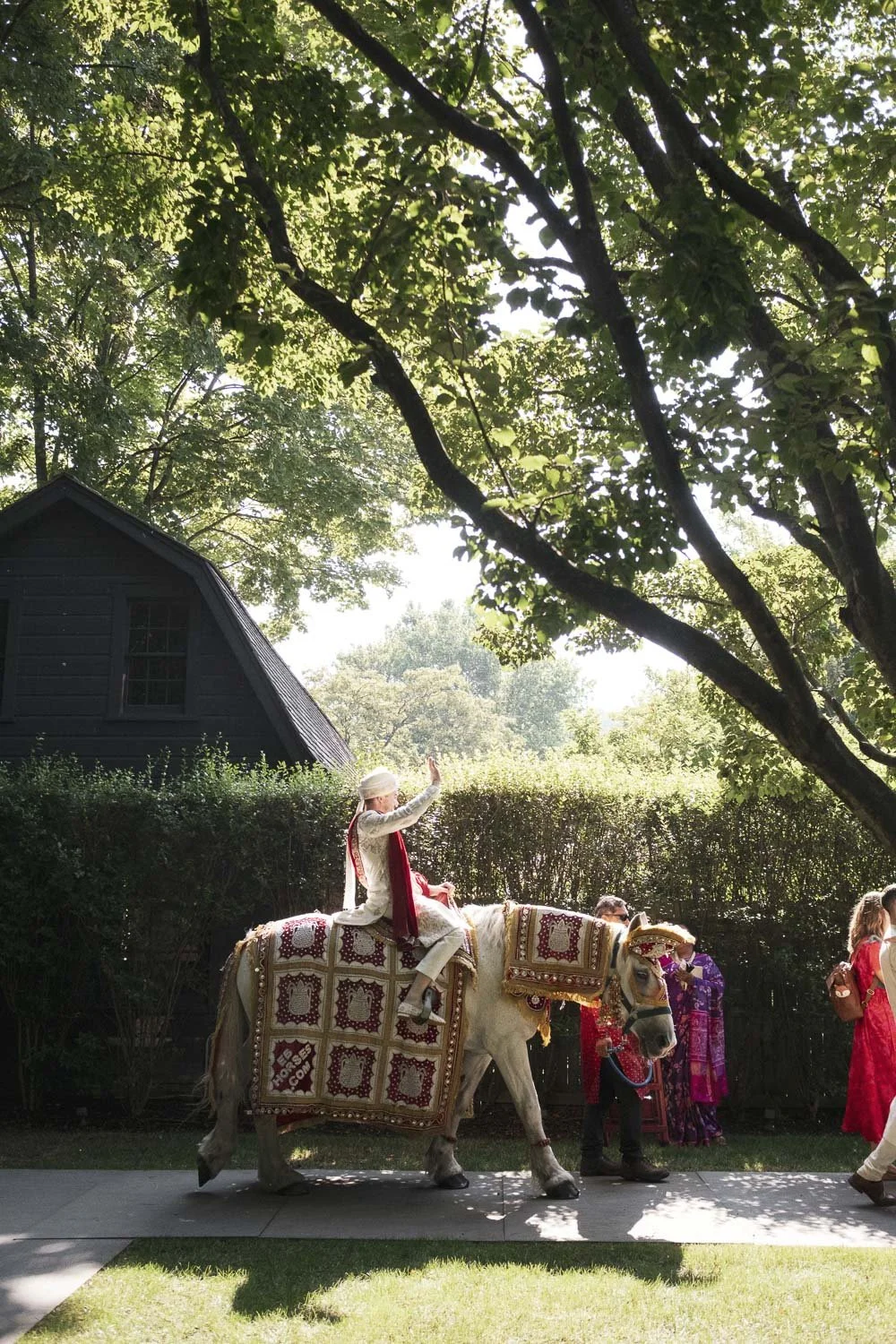









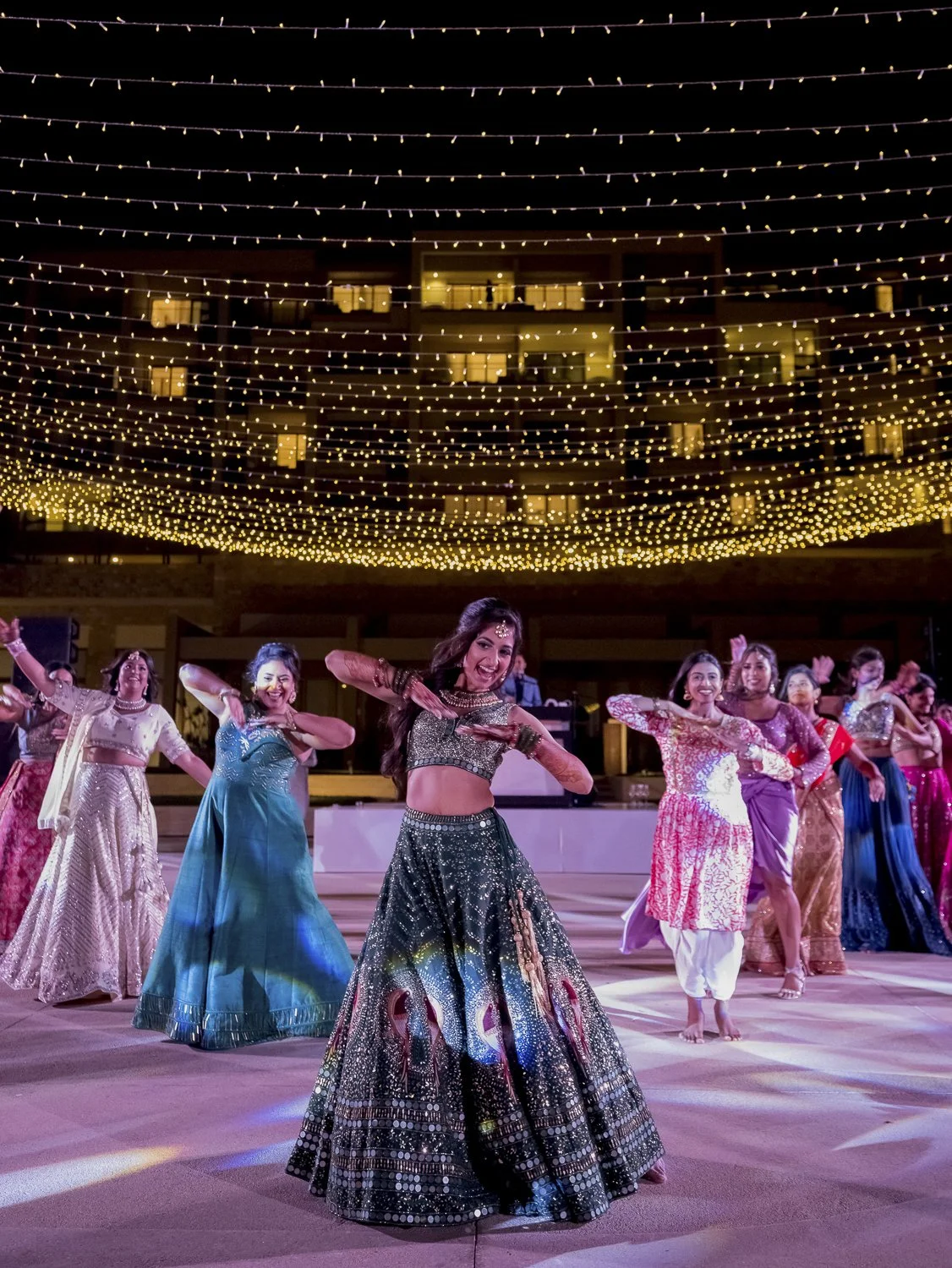


Indian wedding photography has allowed me to document celebrations across very different places, from the coastlines of Mexico to historic Brooklyn and the landscape of Upstate New York. What has stayed with me most is how differently each couple and family brings together tradition, fashion, place, and the people around them.
No single visual formula fits photographing these weddings. The celebrations I have photographed have ranged from intimate traditions and energetic gatherings to formal ceremonies, quiet portraits, and receptions that completely transform once the evening begins.
Indian wedding traditions also vary by family, region, religion, and personal choice. What I share here comes from the weddings and multicultural celebrations I have personally photographed, rather than an attempt to define how every Indian wedding looks or unfolds.
For me, that is part of what makes photographing them so interesting. I need to understand what is happening, pay attention to what matters to the couple and their families, and adapt constantly as the atmosphere changes.
Photographing the Traditions That Shape the Celebration
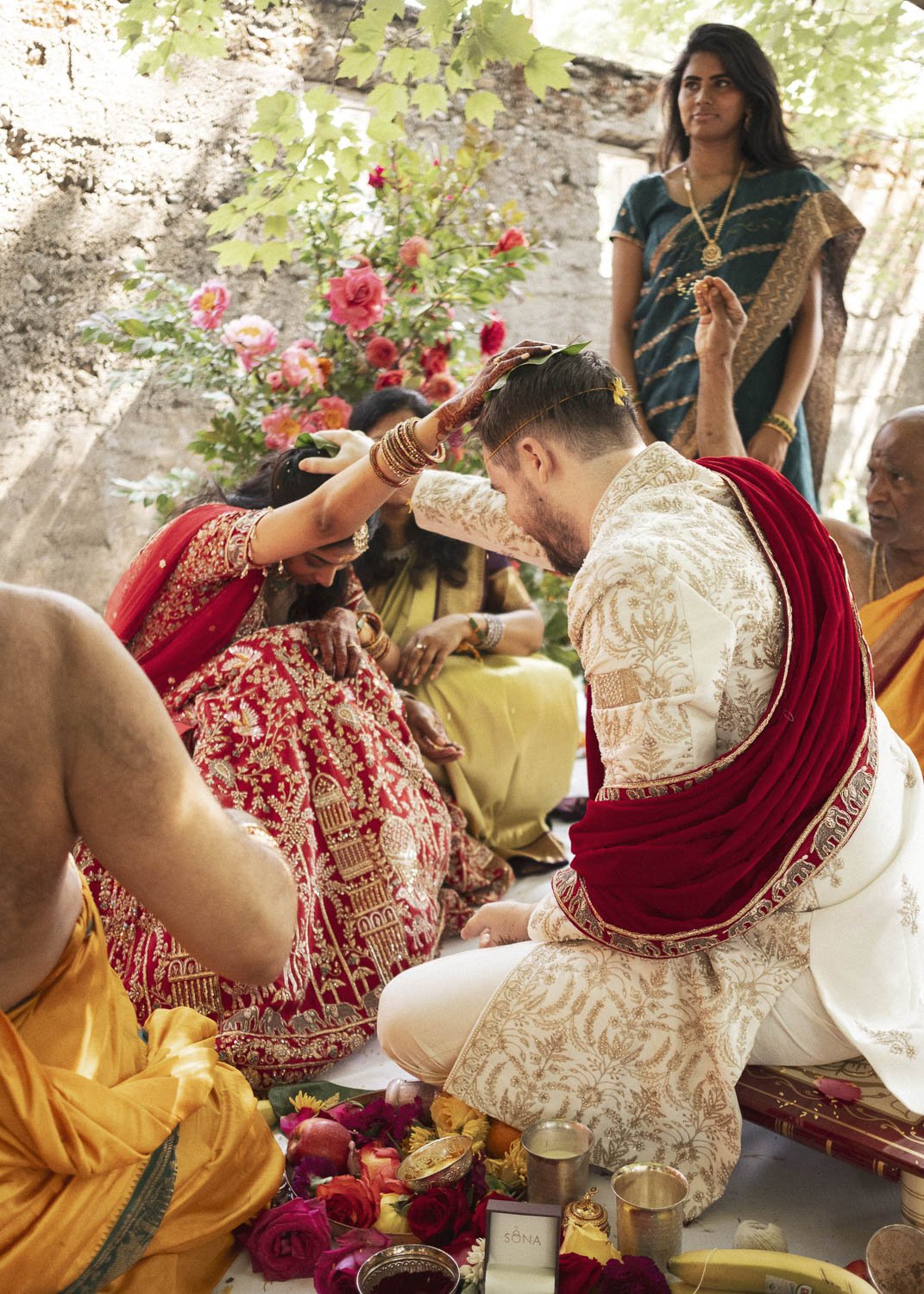
Traditions are not simply a list of moments to document. They bring families together, change the wedding's rhythm, and often create some of the celebration's most expressive photographs.
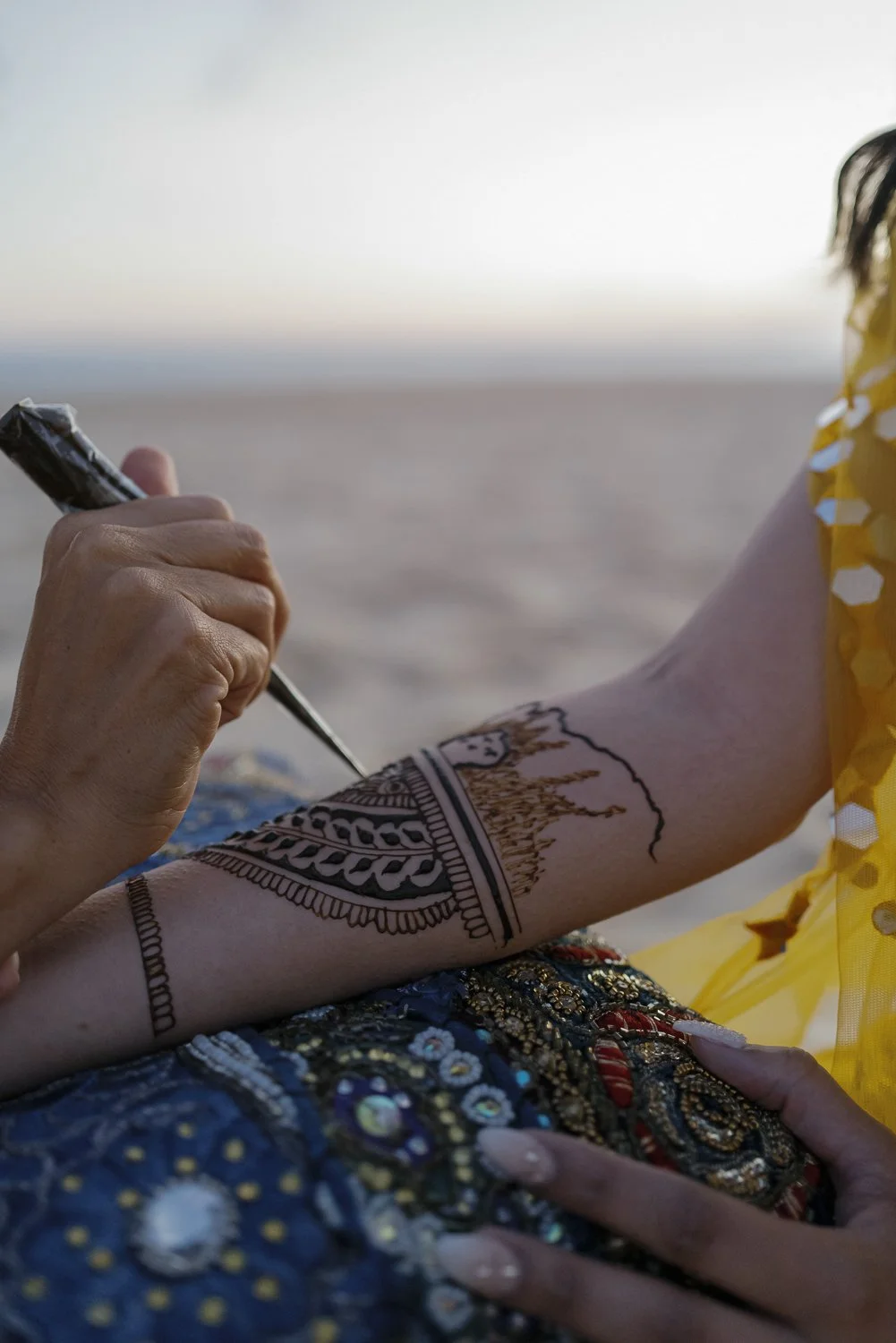
At Nobu Los Cabos, I photographed a three-day wedding that moved through Haldi, Holi, Sangeet, Mehndi, the wedding ceremony, and reception. Each event had its own atmosphere, from the movement and color of the daytime celebrations to the fashion and performances of the Sangeet and the more formal rhythm of the wedding day.
At Rosewood Mayakoba, another three-day celebration included Mehndi, Sangeet, the ceremony, and reception. The Riviera Maya setting became part of the photographs, but the traditions, family interactions, fashion, and changes from one event to another gave the complete gallery its identity.
The experience can look entirely different in New York.
At Weylin in Brooklyn, the historic architecture created a very different setting for the Mehndi and Indian ceremony before the celebration transitioned into the reception. Rather than trying to fit the traditions into a predetermined photographic style, I responded to the architecture, people, movement, and moments in front of me.
At Valley Rock Inn in Upstate New York, the wedding moved through Mehndi and an Indian ceremony before transitioning into Western attire and a Western ceremony, followed by the reception. Visually, that progression became an important part of the story.
These weddings reinforced something I consider essential: before deciding how to photograph a moment, I need to understand what is happening around me.
That doesn't mean pretending to be an authority on every tradition. It means communicating beforehand, paying attention during the celebration, and recognizing when a moment requires direction and when my role is to anticipate what is about to happen.
Reading the Moment: When to Direct and When to Observe
One of the most important decisions I make throughout a wedding has nothing to do with cameras or locations. It is knowing when my presence can improve a photograph and when I need to disappear into the background.
-
Portraits often benefit from intention.
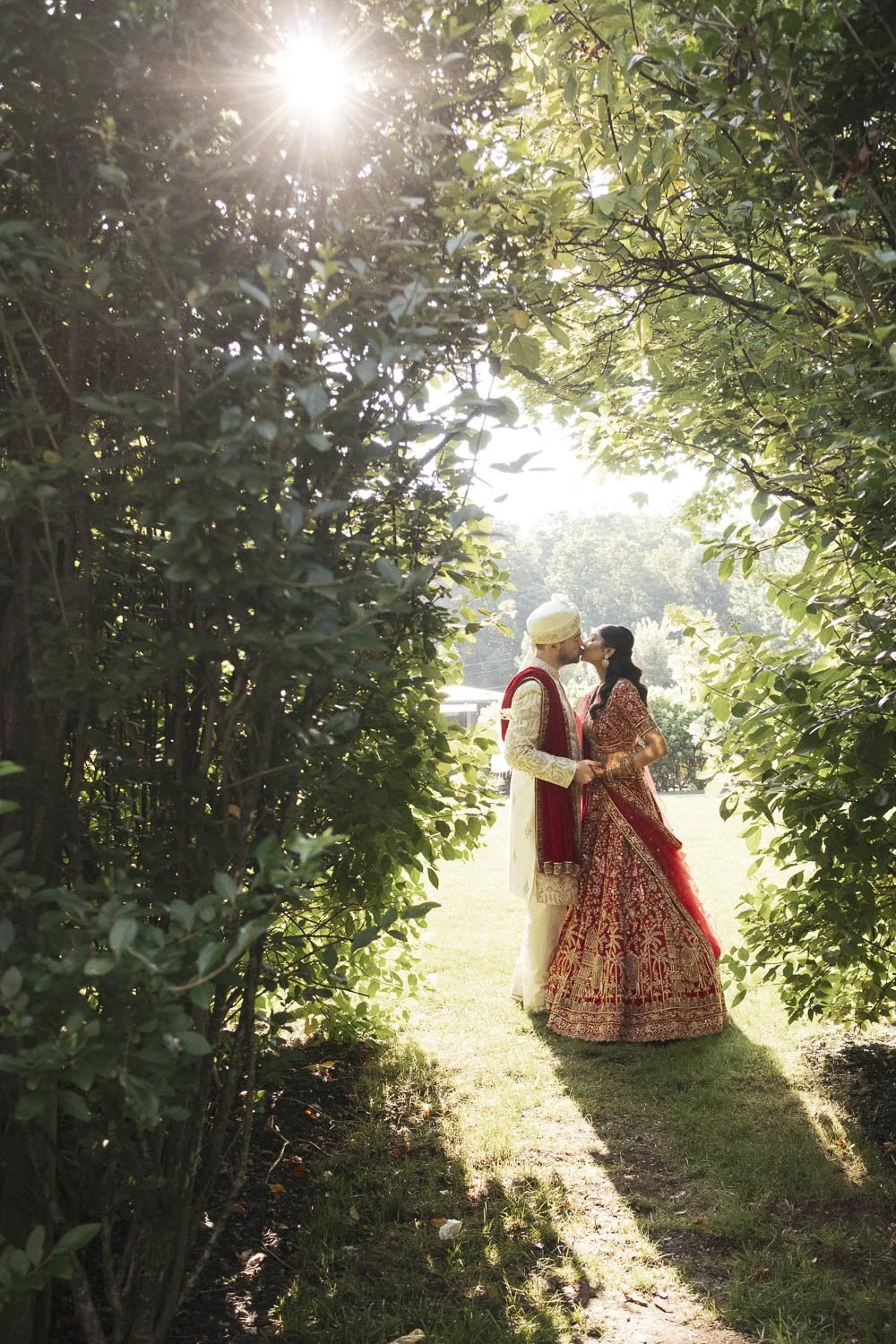
I may adjust where someone stands, consider the relationship between clothing and the environment, or use architecture and light to create a stronger composition. Direction can be subtle: a change in position, movement, or where the couple is looking, without making the photograph feel overly controlled.
This matters especially when fashion and craftsmanship are part of the visual story. Sometimes, giving the couple space and time lets me photograph those elements with the attention they deserve.
-
Traditions, family interactions, and emotional moments require a different instinct.
When something meaningful is unfolding naturally, my responsibility isn't to improve it by directing it. It is to recognize what is happening, anticipate where the moment may move next, and be in the right position before it happens.
A parent's expression, hands reaching toward one another, friends reacting during a ceremony, or a brief exchange between the couple can easily disappear if I focus too much on creating the next photograph.
Those images cannot always be planned, but you can anticipate them.
-
The couple will naturally be at the center of the wedding story, but they are not the only story happening.
During traditions and ceremonies, I'm also watching parents, siblings, grandparents, friends, and the interactions happening just outside the obvious frame. Often, someone's reaction becomes as meaningful as the moment they are reacting to.
That awareness becomes especially important during celebrations involving many family members and multiple events. I don't want the final gallery to show only what happened. I want it to preserve how the people around the couple experienced it.
Fashion as Part of the Wedding Story
Fashion can become an important part of how a multi-day wedding evolves visually.
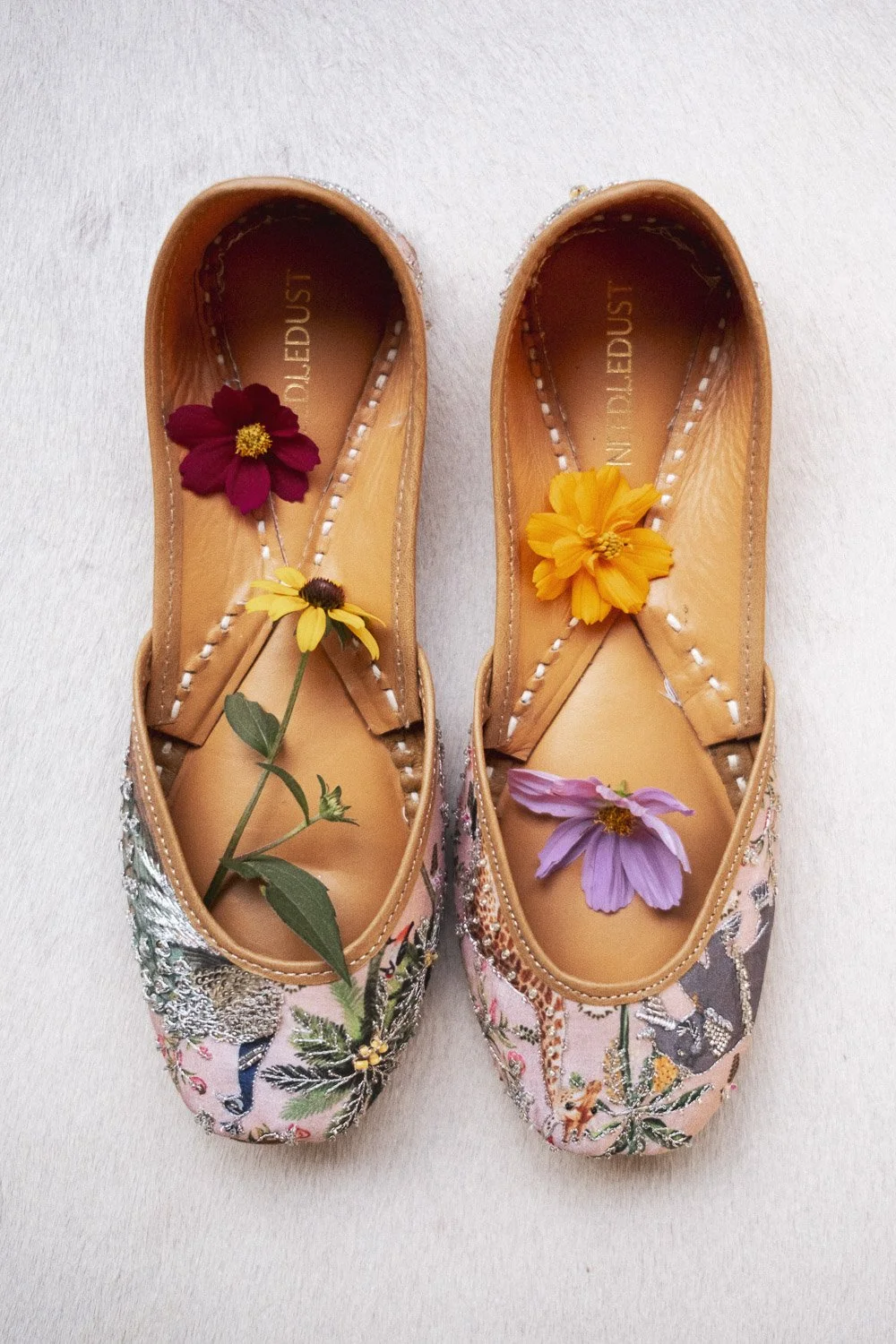
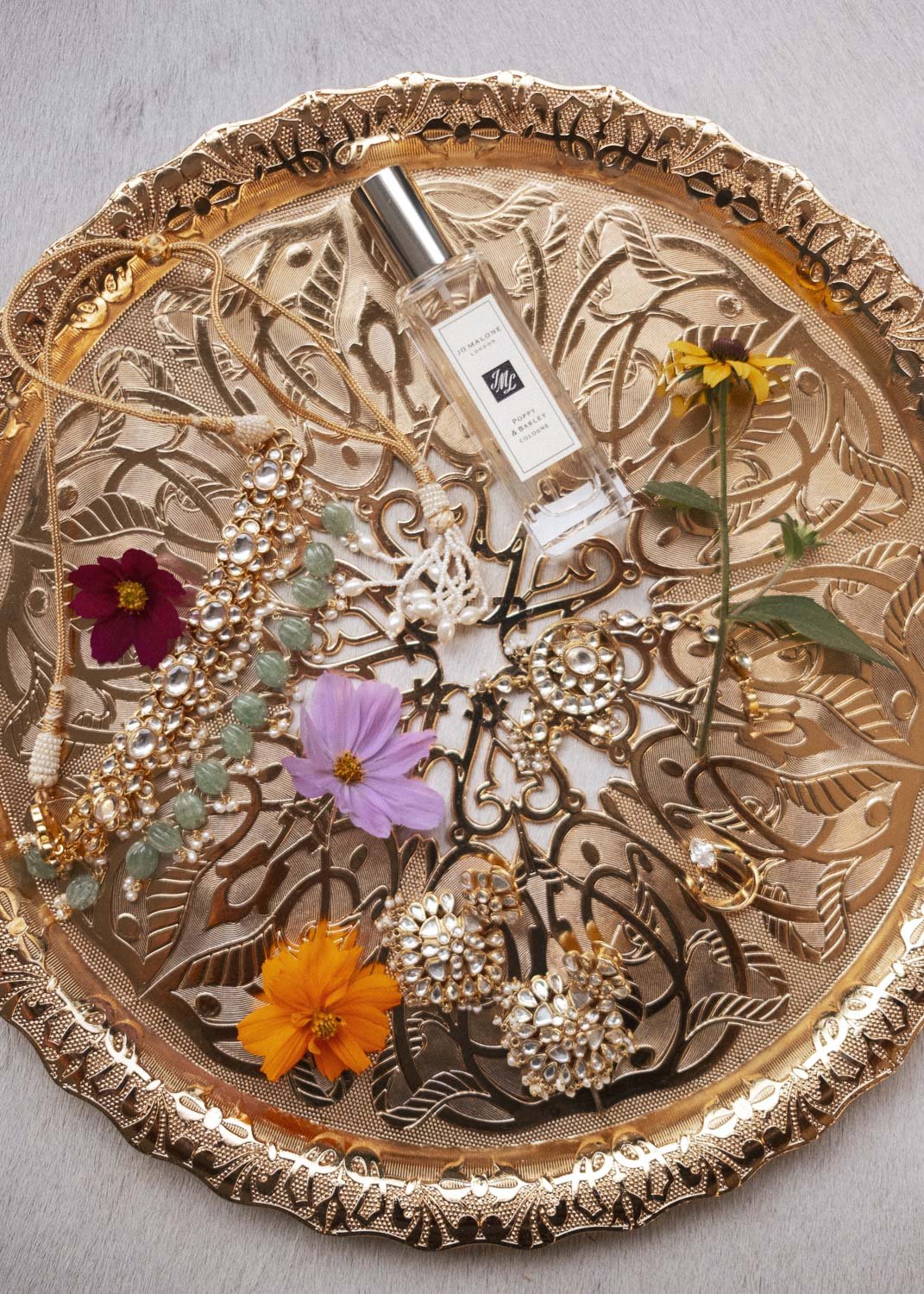
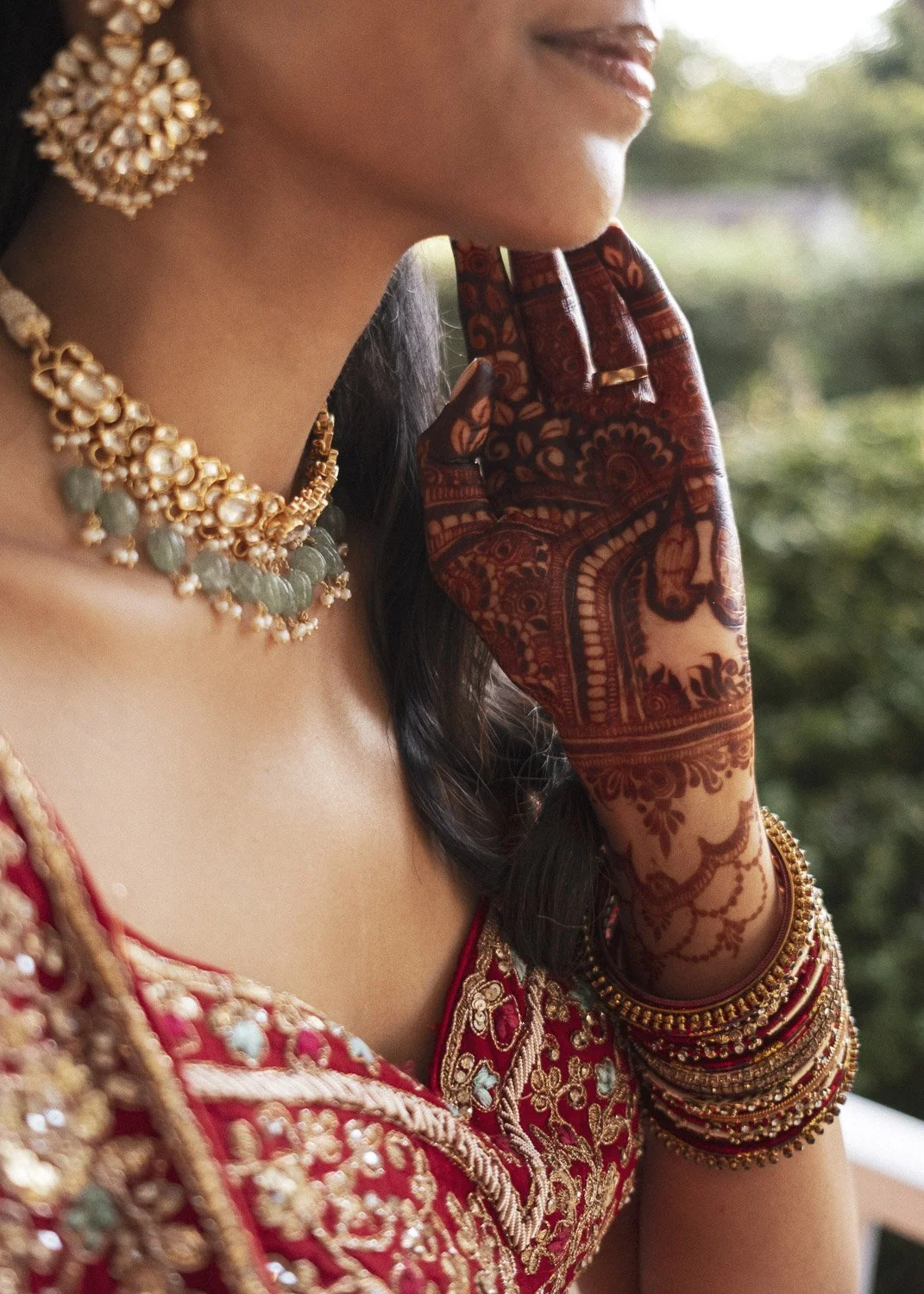
A change in clothing can signal an entirely different atmosphere from one event to the next. Color, embroidery, textiles, jewelry, and formalwear all contribute to that progression, and I want the photographs to preserve the craftsmanship without separating it from the person wearing it.
-
My background and interest in fashion naturally shape how I notice clothing.
I pay attention to silhouette, movement, texture, and how an outfit relates to its surroundings. Some photographs need to come closer to preserve embroidery, jewelry, or smaller details; others need enough space to show how the complete look relates to the architecture or landscape.
But fashion should never become a catalog of details.
The photographs I value most connect those elements back to the person: how the fabric moves, how someone carries an outfit, or how a look changes once the celebration is underway.
-
At Rosewood Mayakoba, Shanya wore custom Sabyasachi throughout the wedding celebrations. The different looks became part of the visual progression of the three-day event, changing alongside the setting and atmosphere.
At Weylin, Monica's Sabyasachi ensemble offered another example of that relationship. Its embroidery, color, and detail could be photographed closely, while wider compositions allowed the fashion to interact with Weylin's historic Brooklyn interiors.
Not every designer needs to be identified for fashion to matter within the photographs. What interests me is how each look contributes to the story and how dramatically that visual identity can change from one event to another.
Photographing Multi-Day Indian Destination Weddings
A multi-day destination wedding presents a different storytelling challenge: how do you give each event its own identity without ending up with a collection of photographs that feels disconnected?
For me, consistency doesn't mean photographing everything the same way.
It comes from maintaining the same attention to people, composition, atmosphere, and meaningful details, while letting the destination and each event influence the photographs differently.
-
At Nobu Los Cabos, the coastline and rock formations created opportunities for quieter portraits, while the hotel's contemporary architecture offered a completely different environment later in the celebration.
Rosewood Mayakoba introduced the Riviera Maya landscape, beach, tropical surroundings, and the property's relationship with water and nature.
The destination matters because it gives the wedding a sense of place. But I don't want every photograph to announce where we are. Sometimes the landscape should define the image; sometimes it should fade into the background behind the people.
That balance keeps destination wedding photography from becoming travel photography with a wedding happening inside it.
-
Photographing a wedding over several days means thinking beyond individual events.
I am considering how the complete gallery will move from one atmosphere to another: quieter photographs beside more energetic ones, details alongside wider scenes, formal portraits alongside moments that happened without direction.
That doesn't require forcing visual consistency between events that were intentionally designed to feel different.
The continuity comes from the people.
Locations change. Clothing changes. Décor and light change. But the relationships between the couple, their families, and their friends carry through every part of the celebration.
For me, that is what lets several days of photography feel like one story.
What These Celebrations Have Taught Me
Having the opportunity to photograph Indian and multicultural weddings in different destinations has made me appreciate how differently traditions can be expressed from one celebration to another.
I don't approach these weddings expecting something I photographed before to happen the same way again. I arrive prepared, but also curious, ready to understand what matters to this couple, this family, and this particular celebration.
That mindset influences everything from how I photograph fashion and architecture to when I give direction and when I observe.
Ultimately, my role isn't to create a version of what an Indian wedding is supposed to look like. It is to photograph the traditions, people, fashion, movement, and atmosphere in a way that feels true to the wedding I was invited to document.
Further Inspiration
Choosing the Best Wedding Photographer
Discover expert tips on how to review complete galleries and the questions every couple should ask before booking.
READ JOURNALWedding Photography Tips
Discover expert tips on timelines, lighting, portrait planning, and wedding-day preparation.
READ JOURNALDestination Wedding Ideas
Discover expert advice on destination weddings, lighting, and how to select the best photographer.
READ JOURNALExplore Indian Weddings