Wedding Photography Tips: How to Prepare for Your Wedding
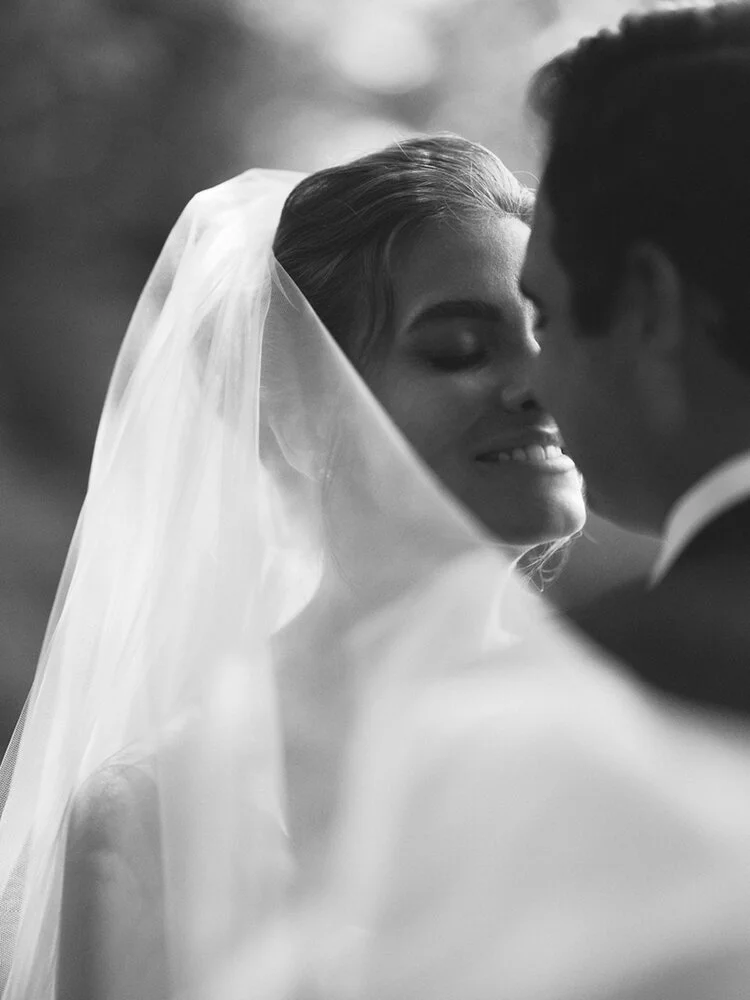
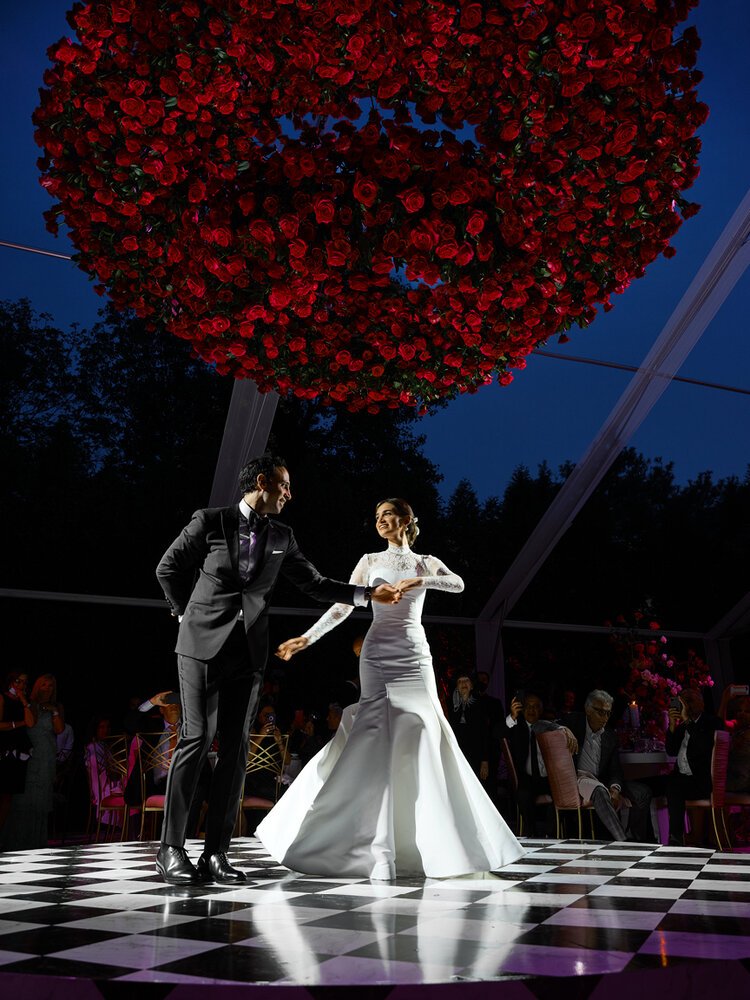


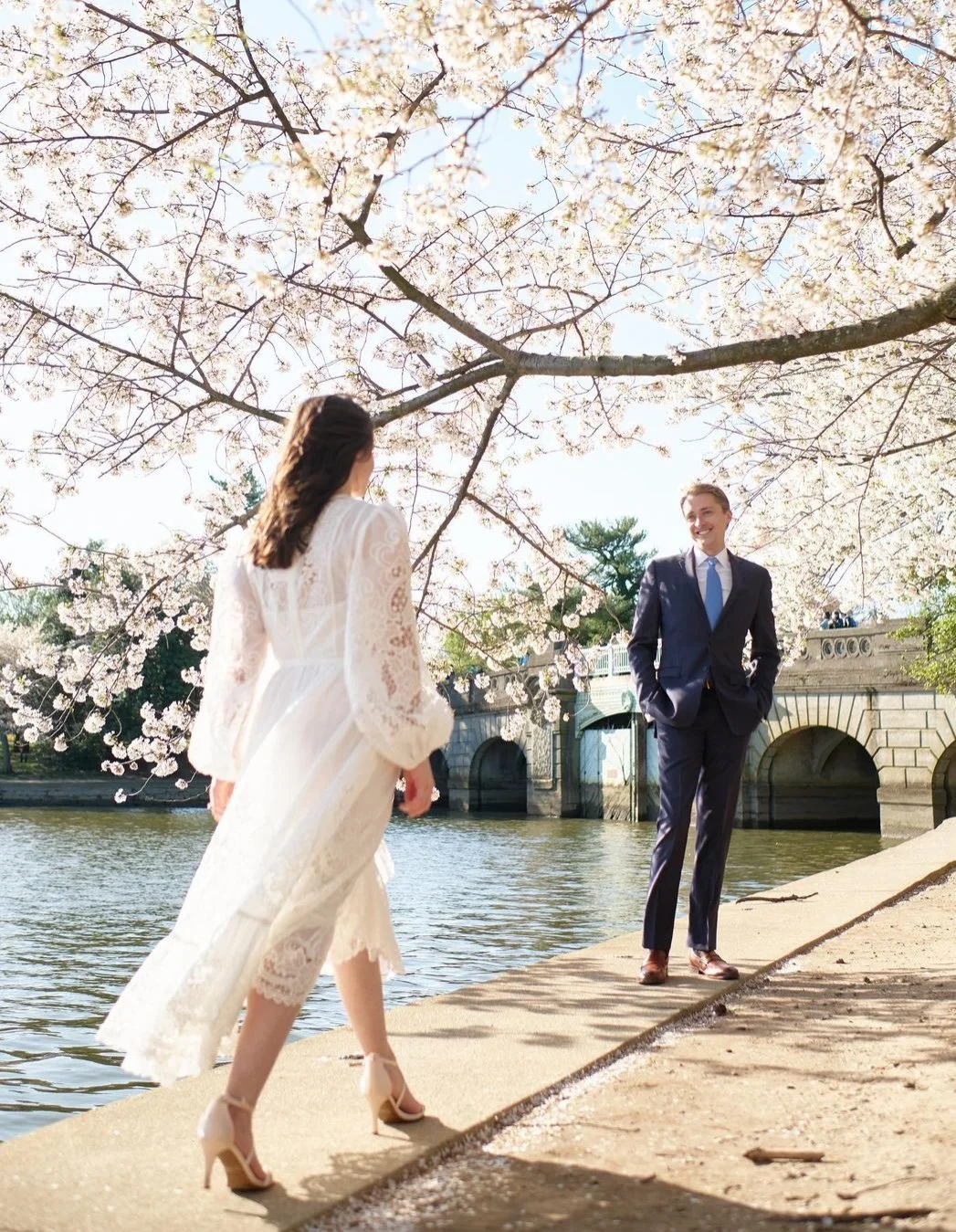


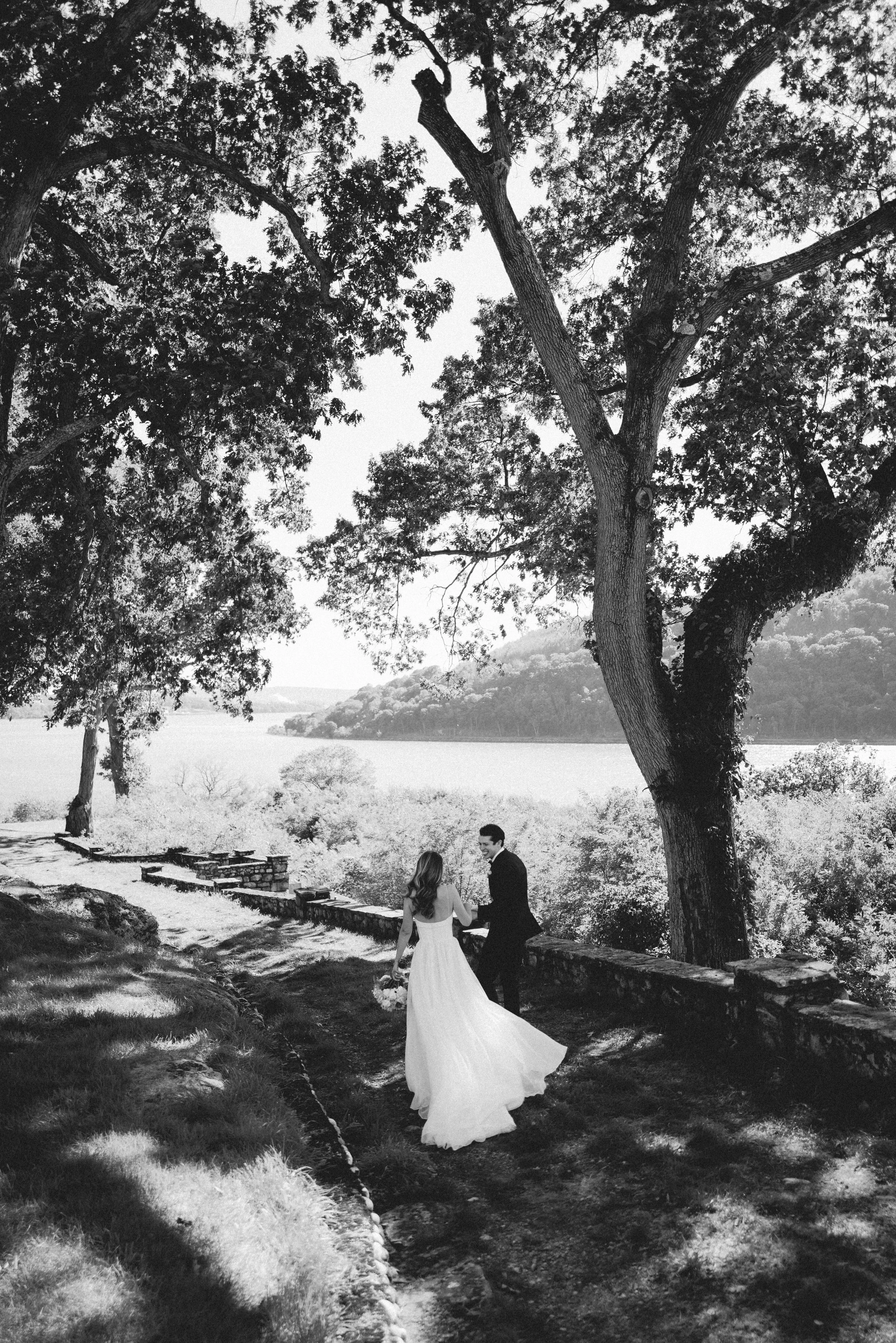
Beautiful wedding photography begins long before the camera is raised. It starts with thoughtful planning, open communication, and a timeline that lets you experience your wedding day naturally. While every celebration is unique, the choices you make before the wedding often have the greatest influence on the photographs you'll treasure for a lifetime.
Throughout my career, I've learned that the most memorable galleries aren't created by controlling every moment. They come from careful preparation followed by the freedom to be fully present. This guide brings together the advice I share with my own couples, helping you prepare for your wedding photography while preserving the authenticity, emotion, and rhythm of your celebration.
Before Choosing Your Photographer
Choosing your wedding photographer is about much more than finding beautiful images on Instagram; your photographer will spend more time with you than almost any other vendor, documenting moments that cannot be recreated. Beyond artistic style, you're choosing someone who can guide you through one of the most emotional days of your life with confidence, professionalism, and calm.
Here are a few things I encourage every couple to consider before making their decision:
Understand Their Photography Style
Review Complete Wedding Galleries
Ask About Similar Venues and Lighting Conditions
Read Testimonials Beyond the Portfolio
Choose Someone You Trust
If you still comparing photographers, I recommend reading How to Choose the Best Wedding Photographer, where I share how to review complete galleries, and the questions every couple should ask before booking.Share Your Vision and Priorities
Once you've chosen your photographer, the conversation becomes just as important as the photographs themselves.
One of the biggest misconceptions is that couples need an extensive shot list for everything they want captured. In reality, the most successful wedding photography begins with understanding what matters most to you, not with a checklist of poses collected online.
The more your photographer understands your personalities, your families, and your priorities, the more meaningful your photographs will become.
-
Instead of creating a long list of images you've seen on social media, focus on the moments that are uniquely yours.
A thoughtful priority list helps your photographer understand what deserves special attention without limiting the natural flow of the day.
Your list might include:
Essential family portrait combinations.
Cultural or religious traditions.
Sentimental heirlooms or meaningful details.
Planned surprises or special performances.
Important guests with limited mobility or early departures.
Relationships or family dynamics your photographer should understand beforehand.
This allows your photographer to anticipate meaningful moments while remaining fully present for everything that happens naturally.
-
Every couple experiences their wedding differently.
Some imagine an elegant editorial celebration inspired by architecture and fashion, while others prioritize candid storytelling and quiet moments with family. Most couples naturally fall somewhere in between.
Sharing your vision early allows your photographer to understand not only how you want your wedding to look, but how you want it to feel.
-
Family portraits often move quickly, especially during large weddings.
If there are sensitive family relationships, divorced parents, blended families, or situations that require thoughtful planning, discussing them beforehand helps avoid unnecessary stress on the wedding day.
These conversations remain private, but they allow your photographer to approach family portraits with confidence and sensitivity.
-
Some of the smallest details often carry the greatest meaning.
Whether it's a handwritten letter, a piece of inherited jewelry, custom embroidery inside your dress, or a family tradition passed down through generations, letting your photographer know about these elements ensures they're photographed with the care they deserve.
These details become part of your story, connecting the photographs to the memories behind them.
-
One of the most valuable conversations you can have before your wedding isn't about poses.
It's about expectations.
Discuss your timeline, portrait priorities, preferred level of direction, family photographs, and any moments you want documented. Clear communication allows everyone, including your planner, photographer, and other vendors, to work together seamlessly.
The result isn't a more structured wedding day.
It's a wedding day that feels effortless because everyone understands the shared vision from the very beginning.
Build a Photography-Friendly Timeline
The goal isn't to schedule every minute. It's to create enough structure that the day can unfold naturally without feeling rushed. The best timelines include room for genuine moments, unexpected conversations, and the flexibility to adapt if plans change.
Working closely with your photographer and planner early in the process helps create a schedule that supports both the experience of the day and the photographs that will preserve it.
-
One of the first timeline decisions you'll make is whether to see each other before the ceremony.
A first look can create additional flexibility for portraits, wedding party photographs, and immediate family portraits before guests arrive. For other couples, preserving the first moment until the ceremony feels more meaningful.
If you still haven't decided whether to do a first look, this guide may help you get a better idea: Should You Do a Wedding First Look? A Complete Guide
-
Family portraits are often some of the most meaningful photographs from a wedding, but they're also the easiest to rush if the timeline is too tight.
Rather than creating an extensive list of every possible combination, focus on the family groupings that matter most. Assigning someone who knows both families well can also help gather relatives efficiently, allowing portraits to move smoothly while everyone remains relaxed.
A thoughtful plan creates better photographs than simply allowing more time.
-
One of the most common mistakes I see isn't a lack of planning, it's planning every minute too tightly.
Small delays are a natural part of almost every wedding. Hair and makeup may take a little longer, transportation can be unpredictable, or family members may need a few extra minutes before portraits.
Including small buffer periods throughout the day allows everyone to adapt without feeling that the schedule is constantly falling behind.
Ironically, those quiet moments often become some of the most memorable photographs because they weren't planned at all.
-
Natural light evolves continuously from morning preparations through the evening reception.
When building your timeline, it's worth considering when portraits will take place and how the available light may influence the atmosphere of your photographs. Winter weddings, for example, often require earlier portrait sessions because daylight fades much sooner than during the summer months.
Rather than chasing perfect light, thoughtful planning simply creates more opportunities to work with it.
Plan Portraits and Locations Thoughtfully
The location you choose for your portraits should support your story rather than compete with it. Thoughtful location planning also helps keep the day enjoyable, allowing more time for meaningful moments and less time traveling between destinations.
-
The most memorable portraits aren't always created at the city's most famous landmarks.
Sometimes they're made in the neighborhood where you first met, outside your wedding venue, along a quiet tree-lined street, or inside an architectural space that reflects your style.
Choosing locations with personal meaning often creates photographs that feel more authentic than simply visiting places because they're popular.
-
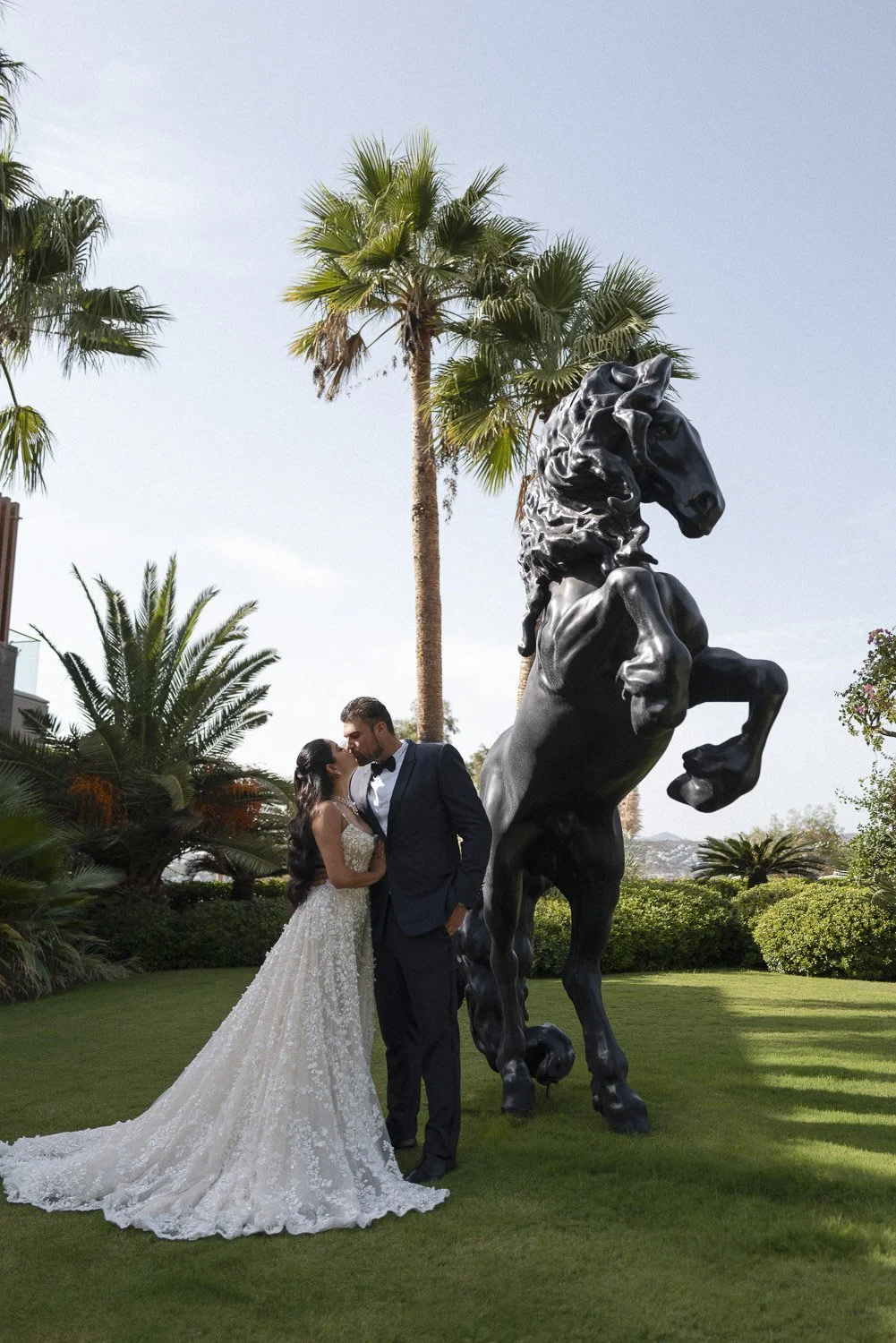
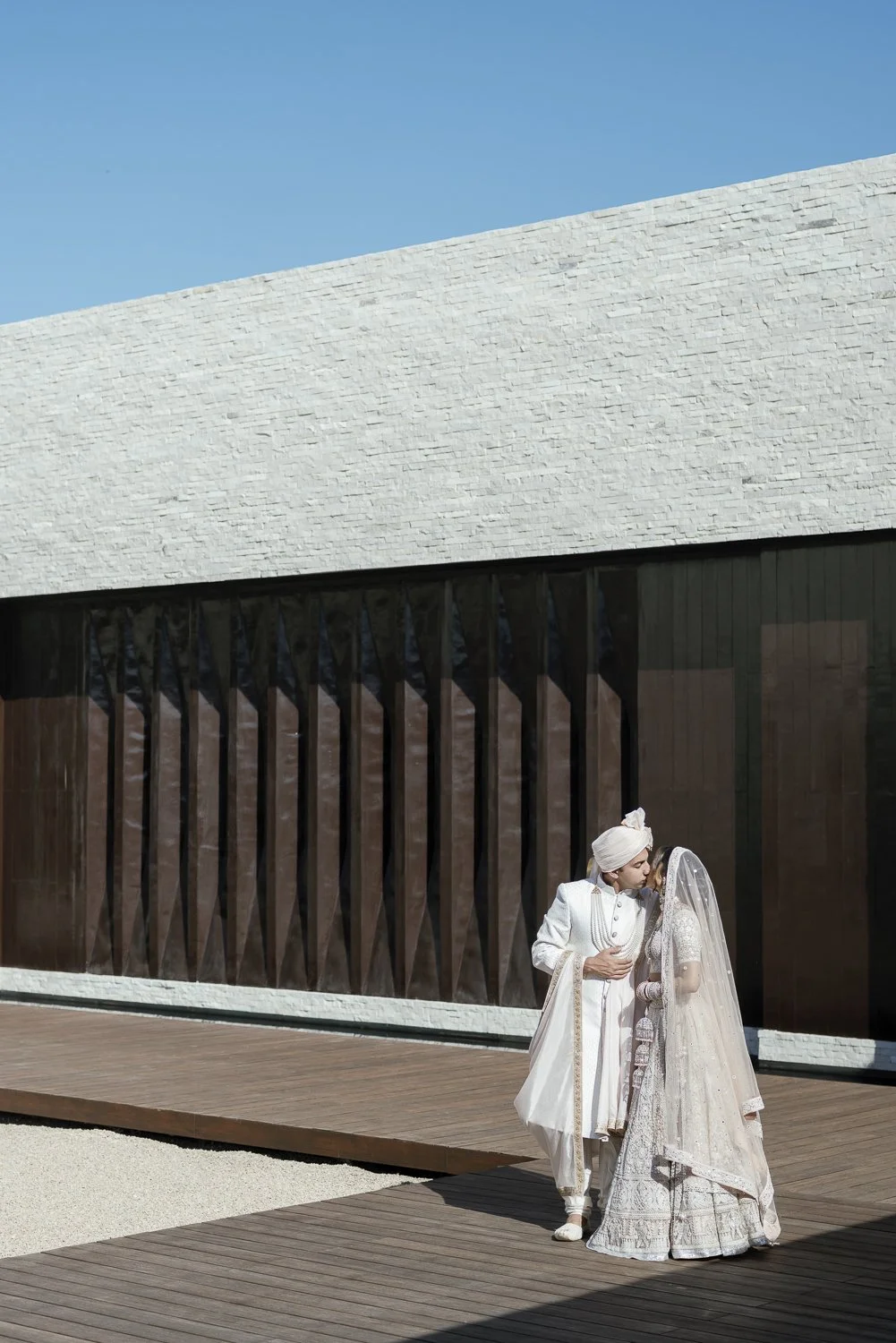
Architecture has always been one of my greatest sources of inspiration.
Rather than treating buildings as backgrounds, I look for ways to incorporate their scale, geometry, texture, and light into the story itself.
-
In practice, fewer locations often create a more relaxed experience and a stronger collection of photographs. Spending meaningful time in one or two carefully chosen settings allows couples to enjoy the moment without constantly watching the clock.
Quality of experience almost always matters more than the number of locations.
-
Weather is one of the few things none of us can control.
Rather than hoping for perfect conditions, it's far more valuable to discuss alternative plans before the wedding. Indoor architectural spaces, elegant hotel interiors, covered walkways, and thoughtful timeline adjustments often provide beautiful opportunities regardless of the forecast.
Some of my favorite photographs have been created on days that looked far from perfect on paper.
If you are in NYC this guide can help to find The Best Wedding Photo Locations around the city.How to Feel Natural in Front of the Camera
One of the biggest concerns couples share before their wedding is that they don't feel comfortable in front of a camera. The good news is that you don't need modeling experience or perfectly practiced poses to create beautiful photographs. The goal isn't to perform. It's to enjoy the experience together while allowing your personalities to come through naturally.
The photographer's role is to create an environment where you can focus on each other rather than the camera.
-
An engagement session is about much more than creating beautiful photographs.
It gives us the opportunity to spend time together before the wedding, helping you become familiar with my approach while allowing me to understand how you naturally interact as a couple.
By the wedding day, the camera already feels familiar, making portraits more relaxed and allowing you to focus on each other instead of wondering what to do next.
-
One of the greatest compliments I receive is when couples tell me they forgot they were being photographed.
That's always my goal.
Rather than constantly asking you to pose, I prefer to create small moments of movement and conversation that allow genuine expressions to develop naturally. A quiet walk, a shared smile, or simply taking a moment together often creates photographs that feel far more authentic than carefully staged poses.
-
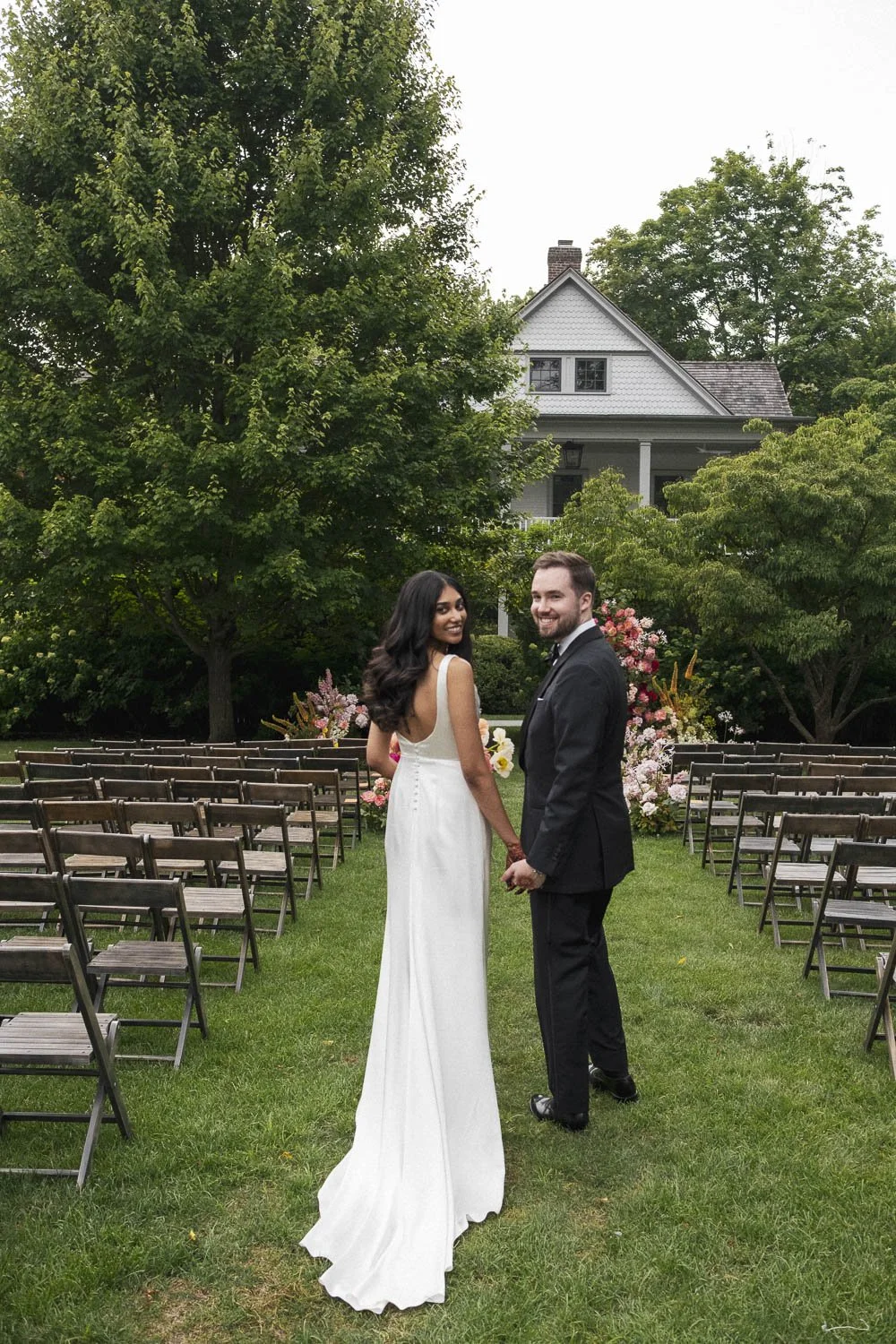
I encourage gentle movement that feels comfortable and natural. Walking together, adjusting a veil, sharing a quiet conversation, or simply taking a deep breath often creates images that feel effortless because they reflect real interaction rather than performance.
Movement also allows clothing, architecture, and natural light to work together in a way that feels elegant and timeless.
-
Wedding attire often moves very differently from everyday clothing.
If you're wearing a long dress, veil, or formal shoes, spending a little time walking comfortably before the wedding can help you feel more confident during portraits. Likewise, tailored suits and formal footwear may influence movement in subtle ways.
The goal isn't rehearsal.
It's simply becoming comfortable enough that your attention stays on the experience rather than your clothing.
-
Wedding days are exciting, emotional, and often much busier than couples expect.
Taking a few quiet moments throughout the day allows you to reconnect with one another while also giving you space to pause, enjoy the experience, and appreciate everything happening around you.
Those unscripted pauses often become some of the most meaningful photographs in the entire gallery.
During the Ceremony and Reception
Once the ceremony begins, your attention should no longer be on the timeline; it should be on each other.
Some of the strongest documentary photographs happen when couples become fully immersed in the experience instead of thinking about the camera. Small adjustments can also help preserve meaningful moments without changing the natural rhythm of the day.
-
Walking slowly down the aisle allows you to fully experience the moment while giving family and friends the opportunity to see you.
It also creates more natural opportunities for meaningful photographs without making the walk feel staged or interrupted.
There's no need to rush.
This is one of the few moments you'll only experience once.
-
Throughout the ceremony, try to resist the temptation to look toward the camera.
Instead, focus on your partner, your vows, and the people who have gathered to celebrate with you.
The strongest documentary photographs happen when genuine emotion naturally becomes the center of the story.
-
If you're planning a surprise performance, fireworks, a choreographed dance, or another unexpected moment, let your photographer know in advance.
After the Wedding
The wedding day may be over, but your photographs are only beginning their journey. Understanding what happens after the celebration helps you enjoy the experience long after the final dance.
-
Every photographer has a different editing process and delivery timeline.
Before the wedding, ask when you can expect preview images, the complete gallery, and any printed products or albums. Having clear expectations allows you to enjoy the anticipation without uncertainty.
-
Digital galleries are wonderful for sharing with family and friends, but photographs are meant to be experienced beyond a screen.
Fine art albums and professionally printed photographs preserve your memories in a tangible way, allowing future generations to experience the story of your wedding just as you remember it.
-
Once your gallery has been delivered, make sure it's stored in more than one place.
Downloading your photographs, creating backups, and preserving copies in cloud storage helps protect one of the few parts of your wedding that becomes more valuable with time.
-
If your wedding is selected for publication, your photographer may ask whether you'd like it to be submitted to magazines or editorial platforms.
Some couples enjoy sharing their celebration, while others prefer complete privacy.
There isn't a right or wrong choice. It's simply another conversation worth having together.
-
A post-wedding session isn't essential, but it can be a wonderful option for couples who want additional portraits without the time constraints of the wedding day.
Whether exploring a different city, revisiting a meaningful location, or creating fashion-inspired portraits, these sessions allow for a slower, more creative experience while preserving the same authenticity that defines your wedding photographs.
Final Thoughts
While thoughtful planning plays an important role, the most meaningful photographs rarely happen because every detail followed a perfect schedule. They happen when you're able to experience your wedding without constantly thinking about the camera.
My role has never been to document what happened; it's to understand your story, anticipate meaningful moments, and create photographs that preserve not only how your wedding looked, but how it felt.
Preparation creates confidence. Confidence allows you to be present and when you're fully present, the photographs naturally become more honest, more personal, and ultimately more timeless.
Frequently Asked Questions
-
No you don't need modeling experience to create timeless wedding photographs. The key is choosing a photographer whose approach helps you feel comfortable, encourages natural movement, and allows genuine moments to unfold without excessive posing.
-
Most couples book their wedding photographer after confirming their venue and date between 12 and 18 months in advance, especially for peak wedding season dates. it's worth reaching out as early as possible to discuss availability and begin planning your photography timeline.
-
Prepare meaningful details in one place before your photographer arrives, such as your invitation suite, rings, shoes, jewelry, perfume, cufflinks, vow books, heirlooms, and any handwritten letters or gifts. Having everything ready allows more time to focus on the experience rather than searching for items throughout the morning.
-
The amount of time depends on your venue, guest count, travel between locations, and whether you plan to have a first look. Rather than following a fixed schedule, work with your photographer and planner to create a timeline that allows portraits to feel relaxed without taking time away from your celebration.
-
Rain rarely prevents beautiful wedding photography. With thoughtful planning, indoor architectural spaces, covered areas, elegant hotel interiors, or simply embracing the weather can all create memorable images. Discussing alternative plans before the wedding allows everyone to adapt confidently if conditions change.
Further Inspiration
Destination Wedding Photography
Discover venue insights, planning resources, and photography inspired by each location.
VIEW DESTINATIONSABOUT ANDREAS
Learn more about the experience and philosophy behind more than 20 years of documenting celebrations worldwide.
ABOUT ANDREASHow to Choose your Wedding Photographer
Discover expert tips on how to review complete galleries, and the questions every couple should ask before booking.
READ JOURNALExplorE Destination Weddings