

Should You Do a Wedding First Look? A Complete Guide
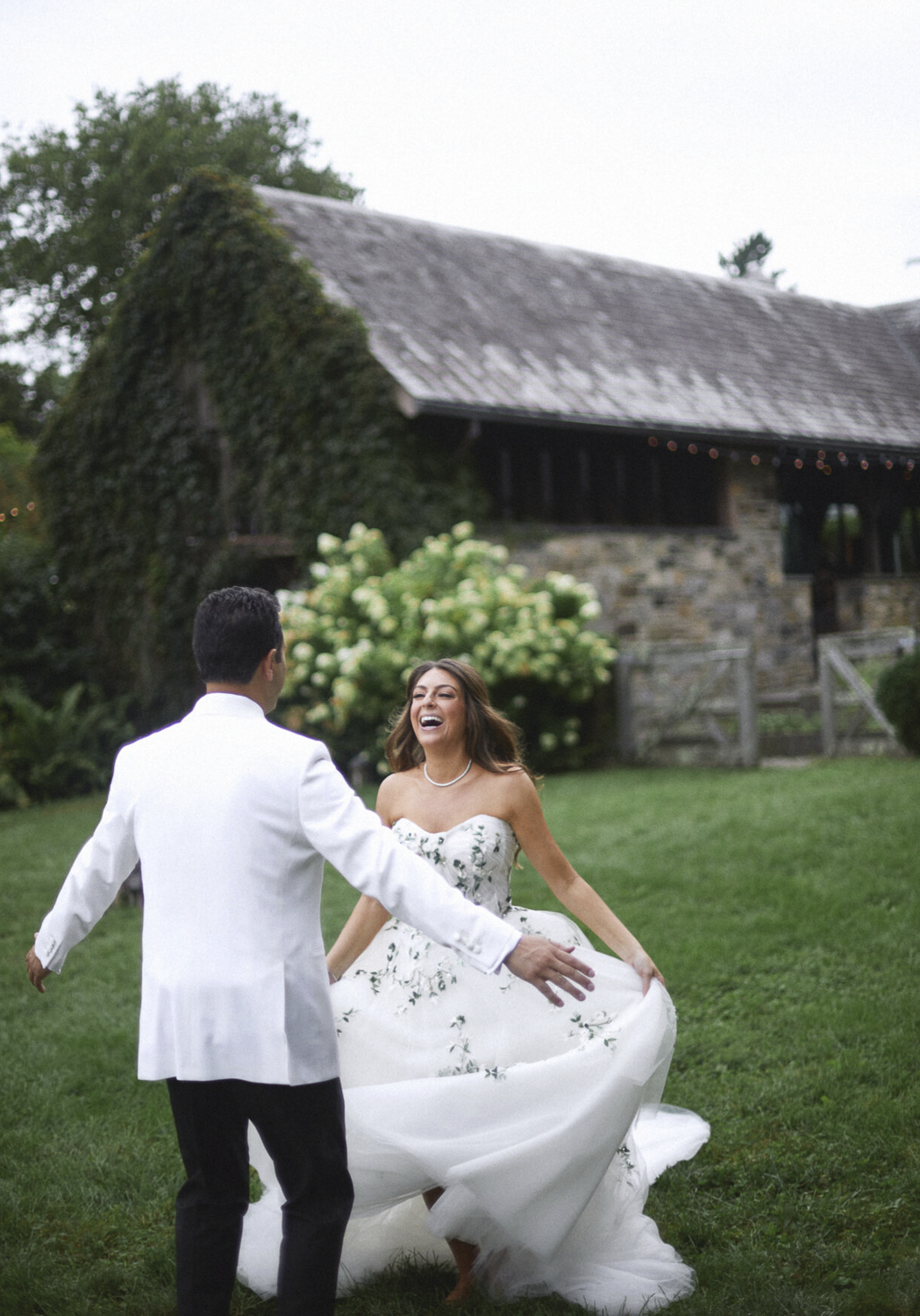
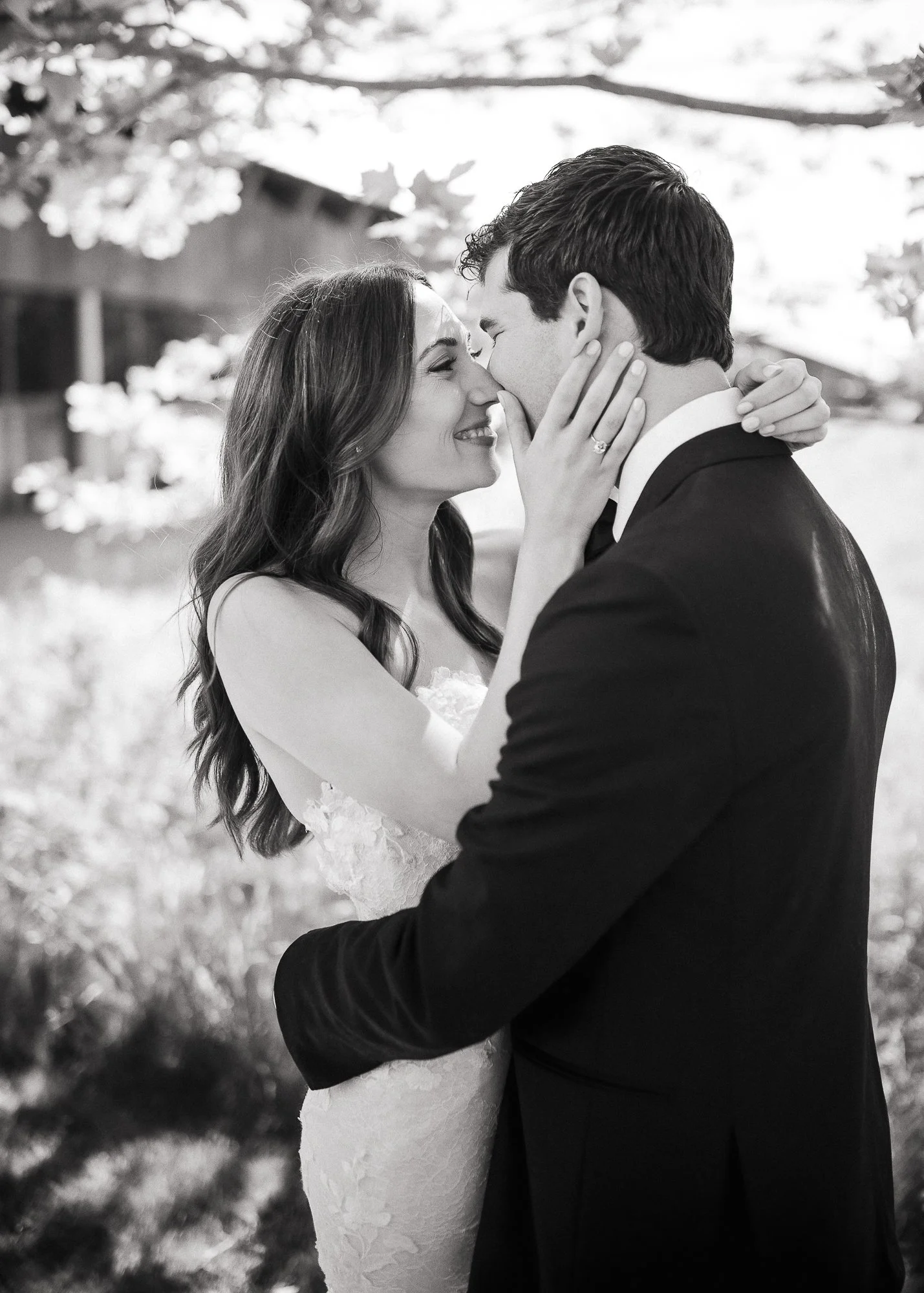


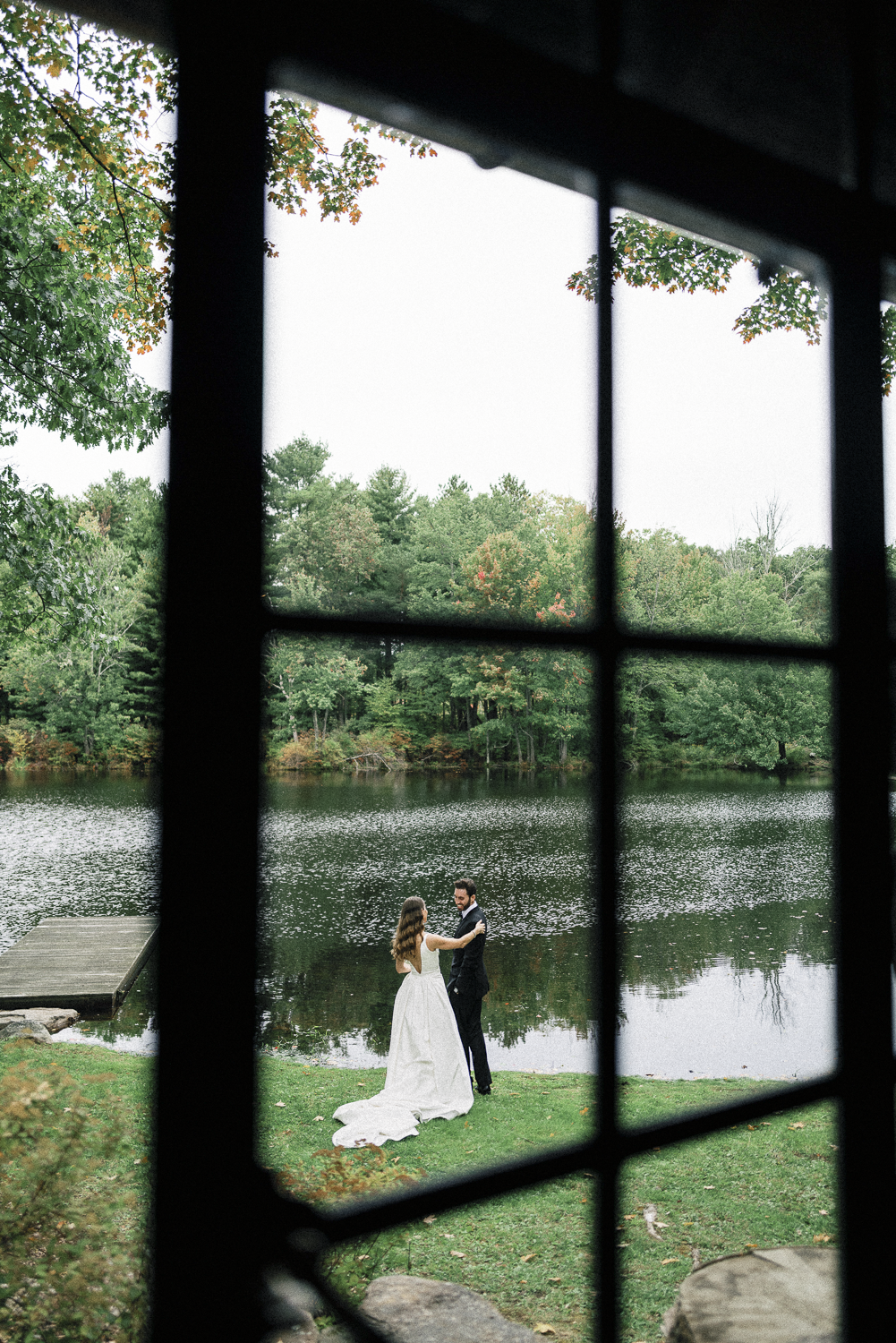


Deciding whether to have a wedding first look is one of the most personal choices you'll make while planning your wedding day. For some couples, it creates a quiet moment together before the celebration begins, allowing time to connect privately and complete portraits before guests arrive. For others, seeing one another for the first time during the ceremony is a tradition they have imagined for years.
The right decision depends on your personalities, your wedding timeline, your venue, your priorities, and how you want the day to unfold. After photographing weddings throughout New York City and destinations around the world, I've seen both first looks and traditional aisle reveals lead to extraordinary photographs and meaningful experiences.
This guide explores what a wedding first look is, its advantages and potential drawbacks, how it can influence your photography timeline, and the questions worth discussing with your photographer and planner before making your decision.
What Is a Wedding First Look?
A wedding first look is a private or semi-private moment when a couple sees each other before the ceremony, dressed in their wedding attire for the first time.
Unlike the traditional aisle reveal, a first look takes place earlier in the day, usually in a quiet location chosen for its privacy, beautiful light, or meaningful surroundings. While many couples choose to experience this moment alone, photographers and videographers typically remain nearby, documenting the interaction as naturally and unobtrusively as possible.
Benefits of Having a First Look
Every wedding is different, but there are several reasons why many couples choose to include a first look in their timeline. Beyond the photographs themselves, it can influence the pace of the day, the amount of time available for portraits, and the overall flow of the celebration.
-
Wedding days often move quickly.
A first look creates an opportunity to step away from the schedule for a few quiet minutes before the ceremony begins. Without the attention of hundreds of guests, many couples find it easier to slow down, connect, and fully experience the significance of the day together.
Privacy varies depending on the venue and logistics, but with thoughtful planning, it's usually possible to create a setting that feels calm and uninterrupted.
-
One of the most practical advantages of a first look is the flexibility it creates within the photography timeline.
Because the couple has already seen each other, portraits can begin before the ceremony. In many cases, this also allows time to complete wedding party photographs and even some immediate family portraits earlier in the day.
This additional flexibility can be especially valuable in New York City, where travel time, changing light, and busy schedules often influence the flow of a wedding day.
-
Completing some or all of your portraits before the ceremony may allow you to spend more time enjoying cocktail hour with your family and friends.
Rather than moving directly from the ceremony into an extended portrait session, many couples appreciate having the opportunity to greet guests, share a toast, and experience more of the celebration together.
Whether this is possible depends on your timeline and the number of photographs planned, but it is one of the reasons many couples choose a first look.
-
A first look doesn't automatically make a wedding day less stressful, but it often provides greater flexibility when planning the schedule.
Instead of fitting every portrait into the limited time between the ceremony and reception, the day can be divided into smaller, more comfortable sections. This creates additional breathing room for travel, wardrobe adjustments, and unexpected delays without feeling rushed.
Every timeline is different, which is why I work closely with couples and planners to build a schedule that reflects the priorities of the day rather than following a fixed formula.
-
Light is one of the most important elements in photography, and a first look can sometimes provide greater flexibility when planning portraits around the best available conditions.
This is especially helpful during winter weddings, shorter daylight hours, or venues where portrait access is limited after the ceremony.
Rather than chasing the remaining daylight, we can often photograph portraits when the light is softer and more flattering, creating images that feel natural, elegant, and connected to the atmosphere of the day.
Possible Drawbacks of a Wedding First Look
A wedding first look offers many advantages, but it isn't automatically the right choice for every couple.
Some people have imagined seeing each other for the first time as one partner walks down the aisle. Others have cultural or religious traditions that shape the timeline of the day. Understanding these considerations can help you decide which experience feels most meaningful to you.
-
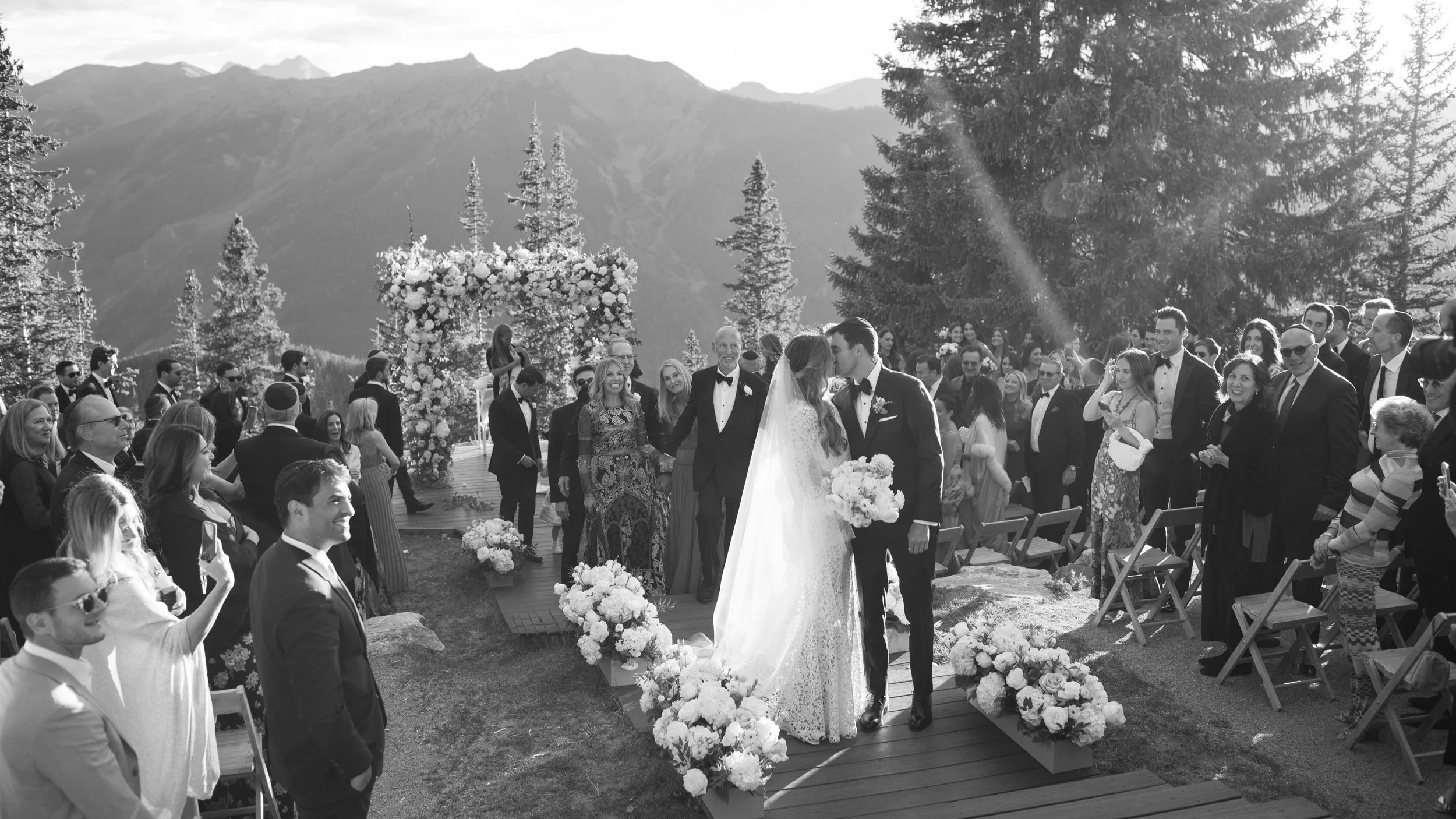
For many couples, the ceremony entrance is one of the most anticipated moments of the entire wedding day.
Seeing each other for the first time surrounded by family and friends carries a unique emotional significance that some couples wouldn't want to change. If that tradition has always been part of your vision, preserving the aisle reveal may feel more meaningful than scheduling a first look beforehand.
Neither choice is more emotional than the other. They simply create different experiences.
-
Some cultures and religious traditions place special importance on seeing one another for the first time during the ceremony.
If these customs are meaningful to you or your families, they should naturally become part of the conversation when planning your wedding day. Your photographer and planner can then build a timeline that respects those traditions while still allowing time for beautiful portraits and genuine moments throughout the celebration.
-
Because a first look happens before the ceremony, preparations often begin earlier in the day.
Hair, makeup, getting dressed, transportation, and final details all need to be completed in time for portraits before guests begin arriving. While many couples appreciate the additional flexibility later in the day, it's worth considering whether an earlier start feels comfortable for your schedule.
-
Not every venue offers the same opportunities for a private first look.
Some locations have limited access before the ceremony, while others may share public spaces with hotel guests or visitors. Choosing the right location often requires coordination between your planner, venue, and photographer to ensure the moment feels as uninterrupted as possible.
Even when complete privacy isn't possible, thoughtful planning can still create a calm and meaningful experience.
-
Some couples worry that a first look will feel staged or overly planned.
In reality, that depends far more on the photographer's approach than the timeline itself.
I believe the reveal should unfold naturally. Rather than directing reactions, I prefer to step back and allow couples to experience the moment together before offering gentle guidance for portraits. The photographs should reflect what genuinely happened, not what was rehearsed.
Both approaches can lead to extraordinary photographs and meaningful memories. As a photographer, my role isn't to encourage one approach over the other. It's to help you understand how each choice influences the timeline, photography, and overall experience, so the day feels true to your priorities.
How long does a wedding first look take?
The first look itself usually lasts around 10 to 15 minutes.
Additional time is often planned for couple portraits, the wedding party, family photographs, and movement between locations. Every timeline is different and should be tailored to your wedding day.
Working with your photographer and planner early in the process helps create a schedule that feels comfortable, allowing you to enjoy the day without feeling rushed from one moment to the next.
How to Choose the Right First Look Location
Where your first look takes place influences more than the background of your photographs. It shapes the atmosphere of the moment, the quality of light, the level of privacy, and how comfortably the experience unfolds.
The best location is the one that allows you to be present with each other while complementing the overall story of your wedding day.
-
For many couples, the wedding venue itself is the ideal location for a first look.
Whether it's a grand ballroom, a quiet garden, an elegant hallway, or a window-filled suite, remaining on-site often simplifies the timeline while providing privacy and protection from changing weather conditions.
It also allows us to work with the architecture that already defines your celebration, creating photographs that feel naturally connected to the venue you've chosen.
-
New York City offers extraordinary locations for couples who want portraits that combine emotion with architecture.
If you're considering portraits throughout the city, I recommend exploring my guide to The Best Wedding Photo Locations in NYC, where I share many of the locations that have consistently inspired my work.
-
Some couples are drawn to parks, gardens, waterfronts, or tree-lined streets because of the relaxed atmosphere they create.
Outdoor locations can provide beautiful natural light and a greater sense of privacy, but they also require additional planning. Weather, transportation, public activity, and seasonal changes should all be considered when building the timeline.
A location doesn't need to be isolated to feel intimate. Sometimes choosing a quieter corner within a familiar place creates the perfect balance.
-
For couples who value privacy above everything else, a hotel suite or private interior can become one of the most meaningful settings for a first look.
These spaces also allow the experience to remain deeply personal while keeping travel to a minimum.
Alternatives to a Couple's First Look
A first look isn't limited to seeing your partner before the ceremony.
If you've always imagined the traditional aisle reveal, there are other meaningful ways to create quiet moments before the celebration begins.
-
Some of the most emotional moments I've photographed have happened between a couple and a parent.
Whether it's a father seeing his daughter in her wedding dress for the first time or a mother sharing a quiet embrace before the ceremony, these moments often become treasured family memories.
-
Sharing your completed look with your closest friends can create an atmosphere filled with excitement, laughter, and genuine reactions.
These photographs often become an important part of the story because they reflect the friendships that have shaped your life long before the wedding day.
-
Some couples choose to exchange personal vows or handwritten letters before the ceremony.
The photographs become less about the location and more about the emotions those words inspire.
-
A thoughtful gift can become another beautiful way to connect before the ceremony.
How I Photograph a First Look
One of the questions I'm asked most often is how much direction I give during a first look.
The answer is surprisingly little.
I don't believe this moment should feel rehearsed.
Once everything is in place, I step back and allow the experience to unfold naturally. My role is to observe rather than interrupt, giving you the time and space to react in your own way without feeling that every second is being directed.
Only after the first emotions have settled do I begin offering gentle guidance.
That guidance is never about creating artificial reactions. Instead, it's about helping you move comfortably through the space, finding beautiful light, and allowing the architecture or landscape around you to become part of the story.
For me, that's what a first look should always feel like: not a performance, but a memory unfolding in real time.
Common First Look Mistakes
A first look doesn't need to be complicated, but thoughtful planning can make the experience feel far more relaxed.
Some of the most common mistakes I encourage couples to avoid include:
Scheduling the first look too close to the ceremony, leaving little room for unexpected delays.
Choosing a location based only on popularity rather than privacy, lighting, or convenience.
Forgetting to include buffer time for transportation or wardrobe adjustments.
Trying to recreate reactions instead of allowing the moment to happen naturally.
Planning portraits during the harshest part of the day without considering the available light.
A successful first look for me is where couples feel comfortable enough to forget the camera is there and experience the moment together.
Questions to Discuss With Your Photographer and Planner
A wedding first look affects much more than the photography schedule. Discussing it early with your photographer and planner allows the entire timeline to be built around your priorities, your venue, and the experience you want to create.
Before making your decision, consider asking these questions:
Where would you recommend having our first look based on the venue and available light?
Can wedding party or immediate family photographs be completed beforehand?
How will weather affect our plans if we're outdoors?
How far is the first look location from the ceremony and reception?
Will transportation or travel time affect the schedule?
Are there any cultural or religious traditions we should consider?
What time will hair, makeup, and preparations need to begin?
How much buffer time should we include for unexpected delays?
These conversations help create a timeline that feels comfortable rather than rushed, giving every part of the day the time and attention it deserves.
Final Thoughts
One of the questions I hear most often is, "What would you recommend?"
My answer is always the same.
I don't believe there's a single right way to experience your wedding day.
Some couples treasure the quiet intimacy of a first look, while others have always imagined seeing one another for the first time as they walk down the aisle. Both choices can lead to extraordinary photographs because a timeline doesn't create the most meaningful images. They're created by genuine emotion, thoughtful planning, and the way you choose to experience the day together.
As a photographer, my role is to understand what's most important for the couple, build a timeline that supports those priorities, and create photographs that reflect their personalities rather than someone else's expectations.
If this guide helps you make that decision with greater confidence, then it has served its purpose.
Wedding First Look FAQs
-
Not necessarily.
Many couples experience completely different emotions during a private first look and again during the ceremony. Walking down the aisle, exchanging vows, and celebrating with family and friends often creates an entirely separate emotional experience.
-
Most couples choose to keep the first look private, with only the photographer and videographer documenting the moment.
However, some couples invite a planner or coordinator to assist with logistics, while others include family members depending on personal preferences.
For me, I prefer to work with just the couple to capture the most natural, intimate images, free from any third-party interruptions.
-
Your photography timeline simply adapts.
Portraits are typically scheduled after the ceremony, and your photographer and planner will organize the day to make the most of the available time and light. Beautiful photographs are absolutely possible with either approach.
-
A first look doesn't automatically create better photographs.
Beautiful images come from meaningful moments, thoughtful planning, beautiful light, and a timeline that allows you to enjoy your wedding day without feeling rushed. Whether those moments happen before or during the ceremony is entirely personal.
-
Yes.
Editorial wedding photography is not dependent on having a first look. Whether portraits happen before or after the ceremony, the goal remains the same: creating thoughtful, timeless images that feel authentic to your celebration.
Further Inspiration
Real Wedding CELEBRATIONS
Discover weddings I've photographed across New York, Miami, Greece, and destinations around the world.
VIEW STORIESDestination Wedding Photography
Discover venue insights, planning resources, and photography inspired by each location.
VIEW DESTINATIONSENGAGEMENT PORTFOLIO
Explore editorial engagement sessions captured across New York City and destinations worldwide.
VIEW ENGAGEMENTSFrom the Journal
If you're planning your wedding timeline or looking for more inspiration, these guides may also be helpful
The Story Behind Andreas Sellinidis