

What Makes Wedding Photography Timeless?


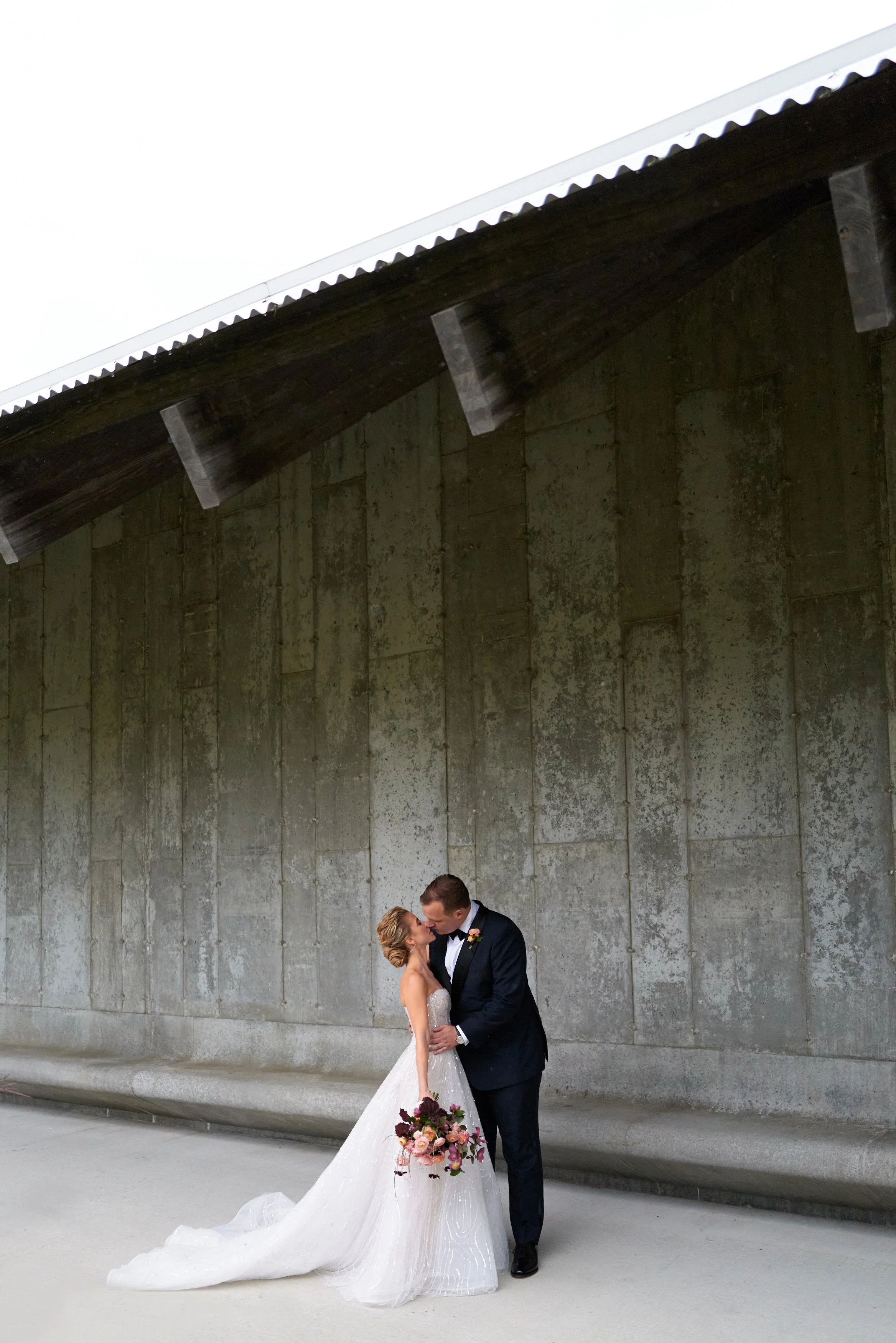
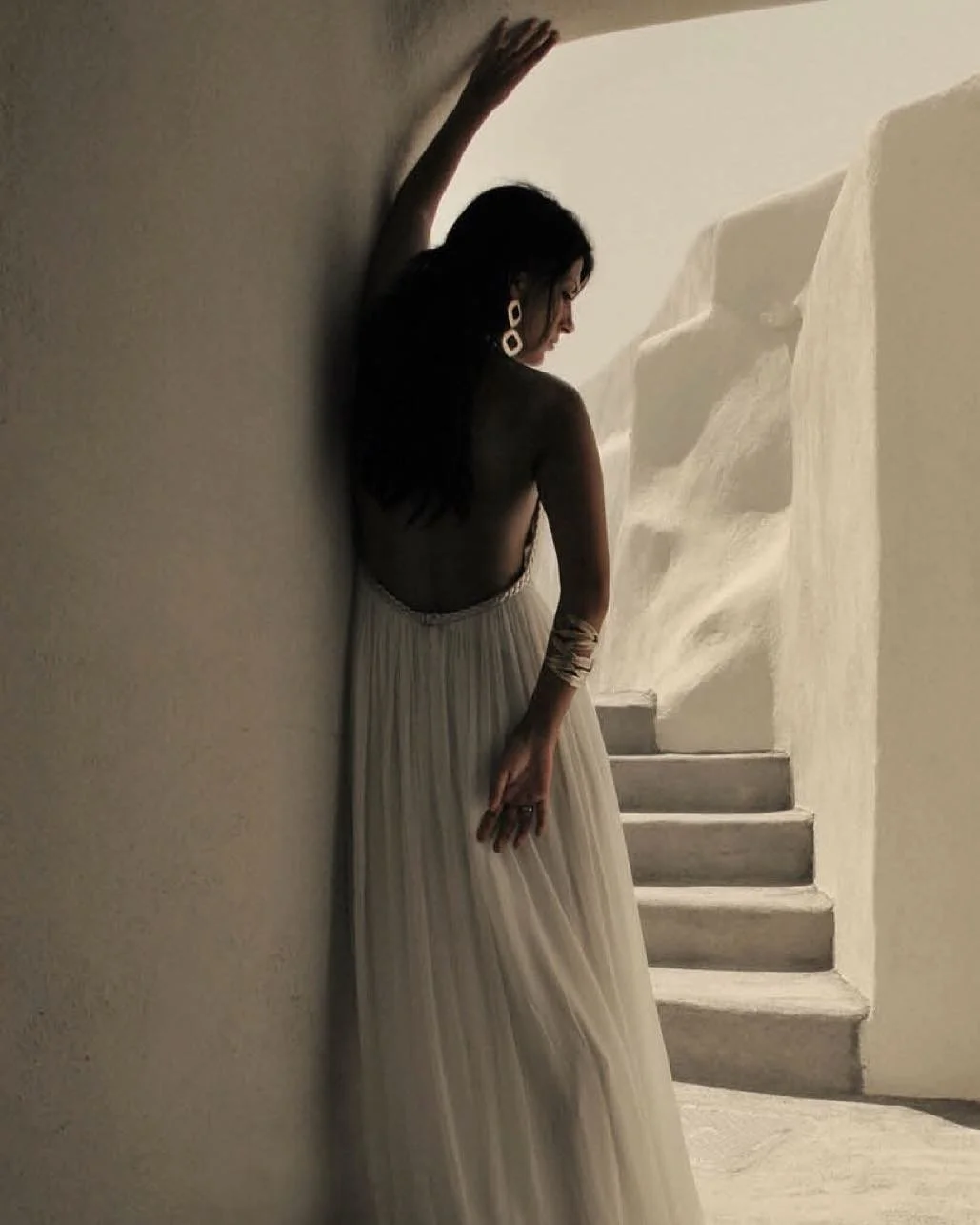


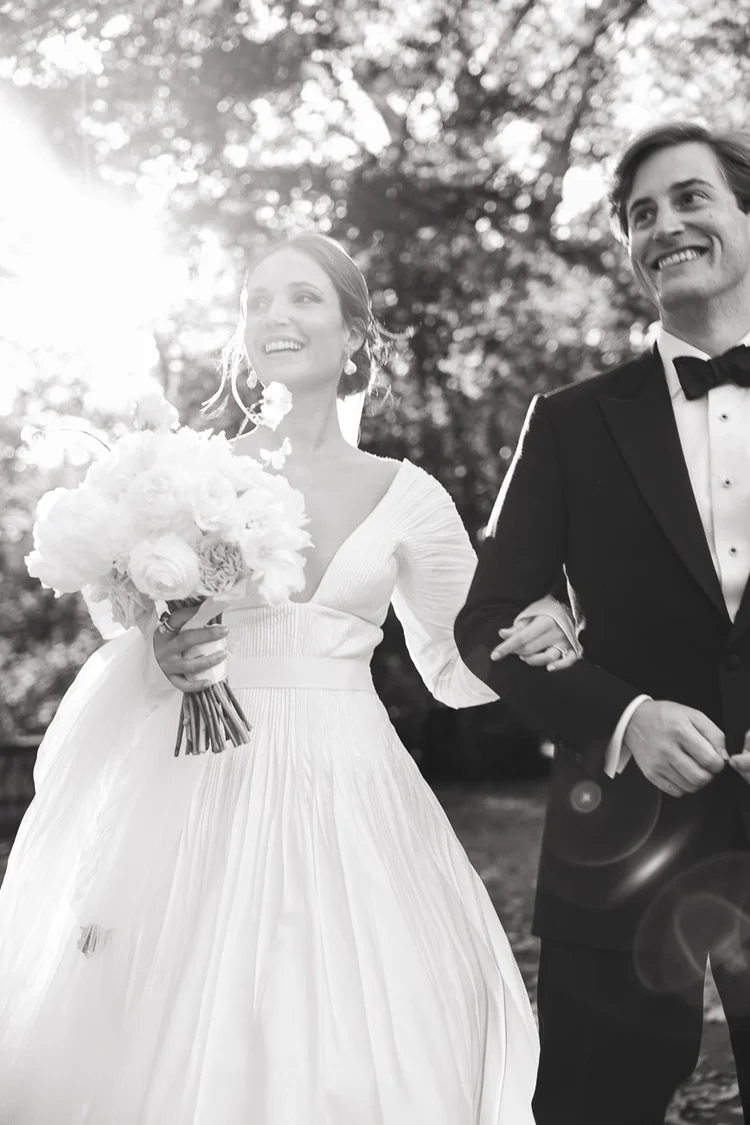
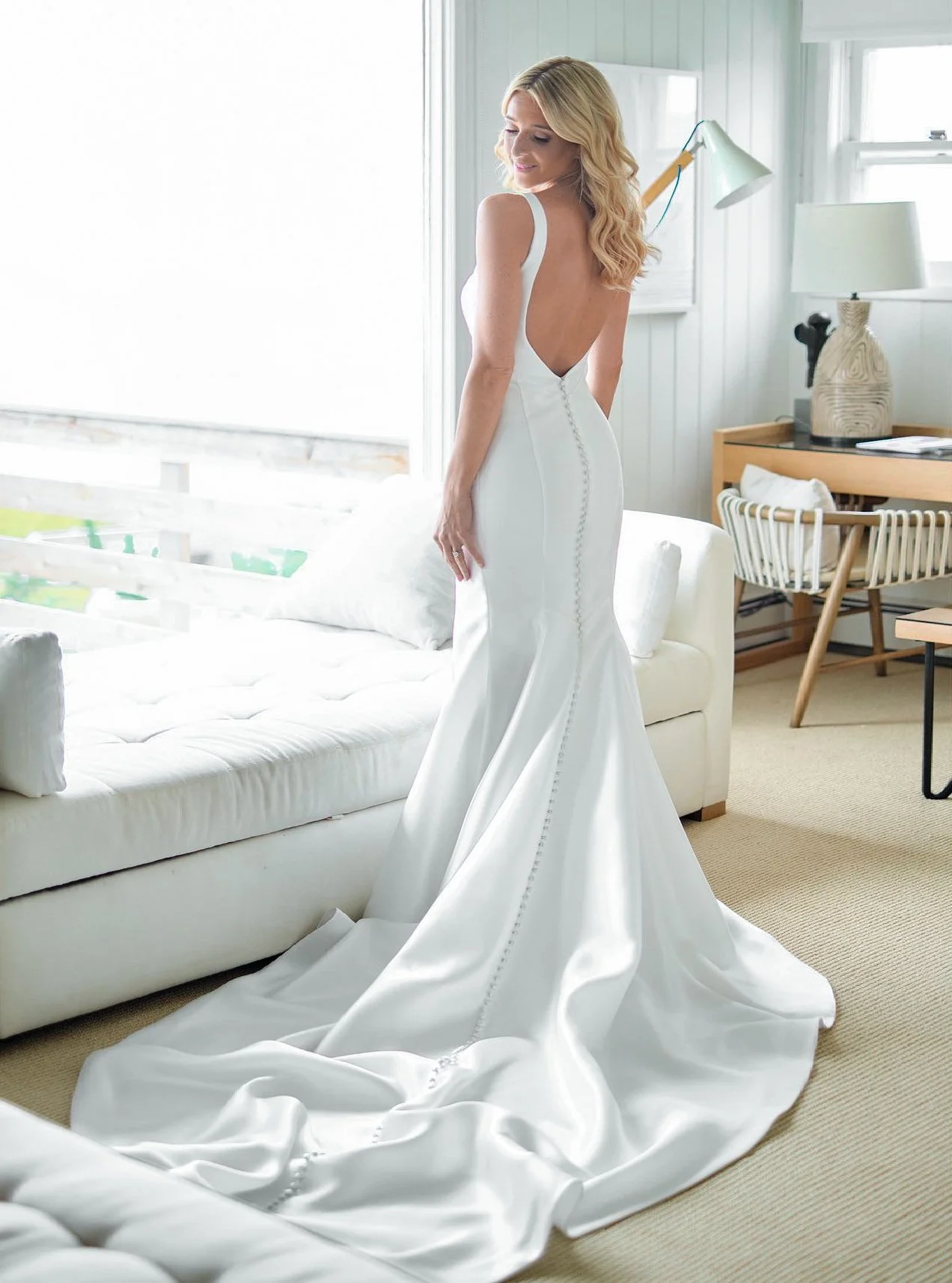


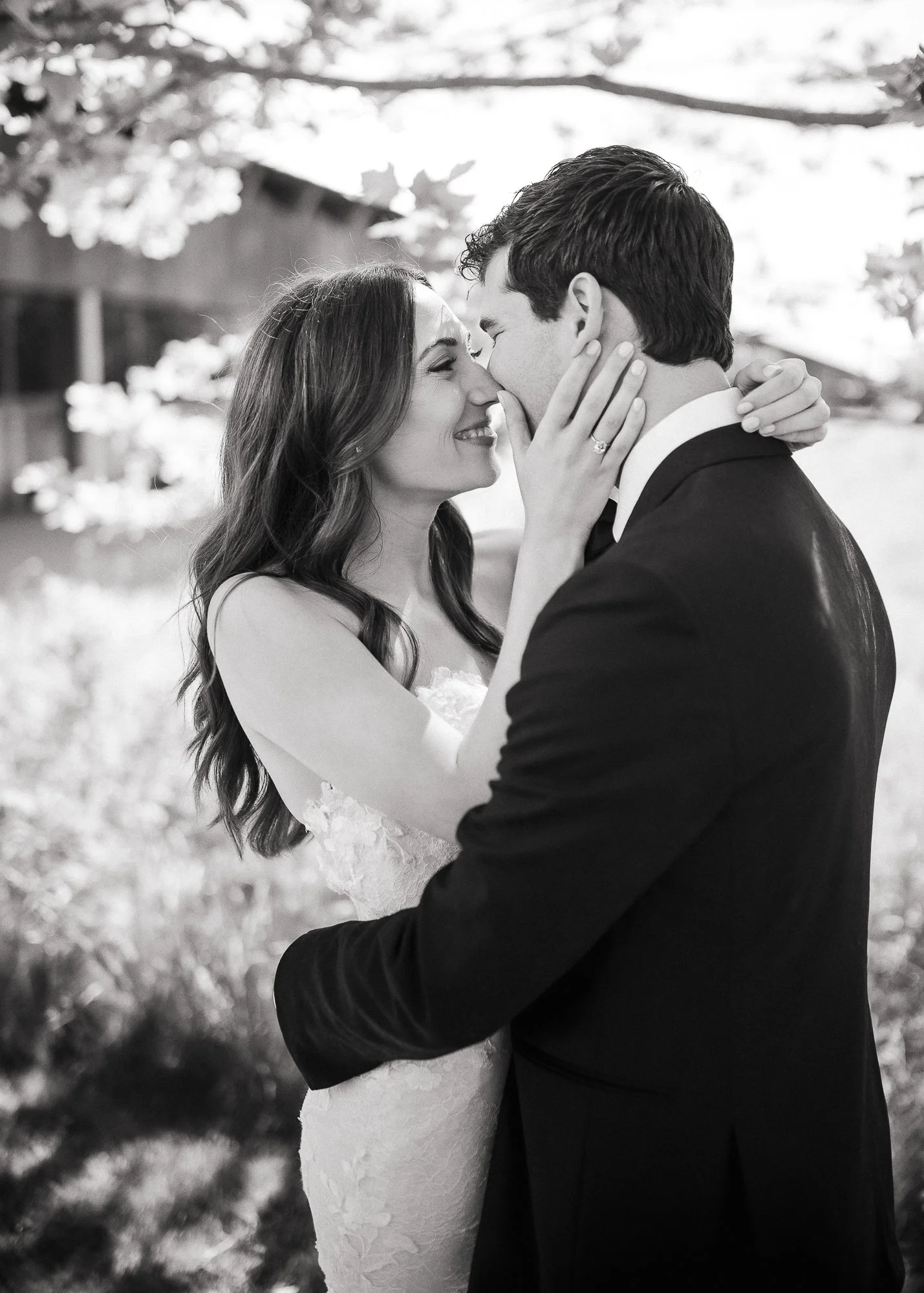


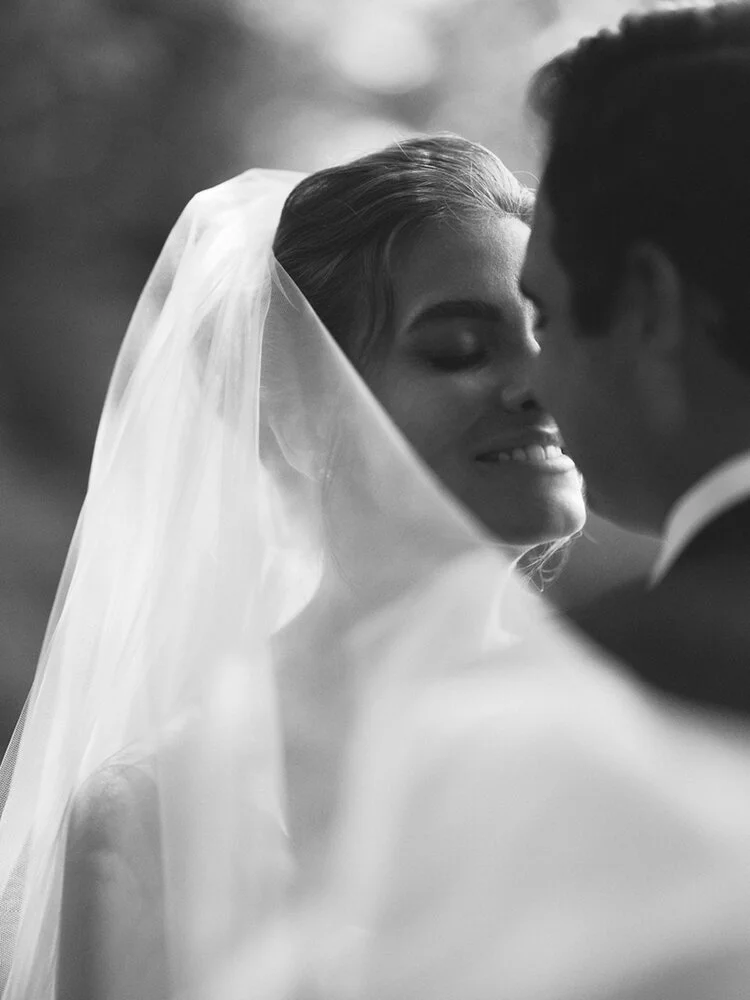
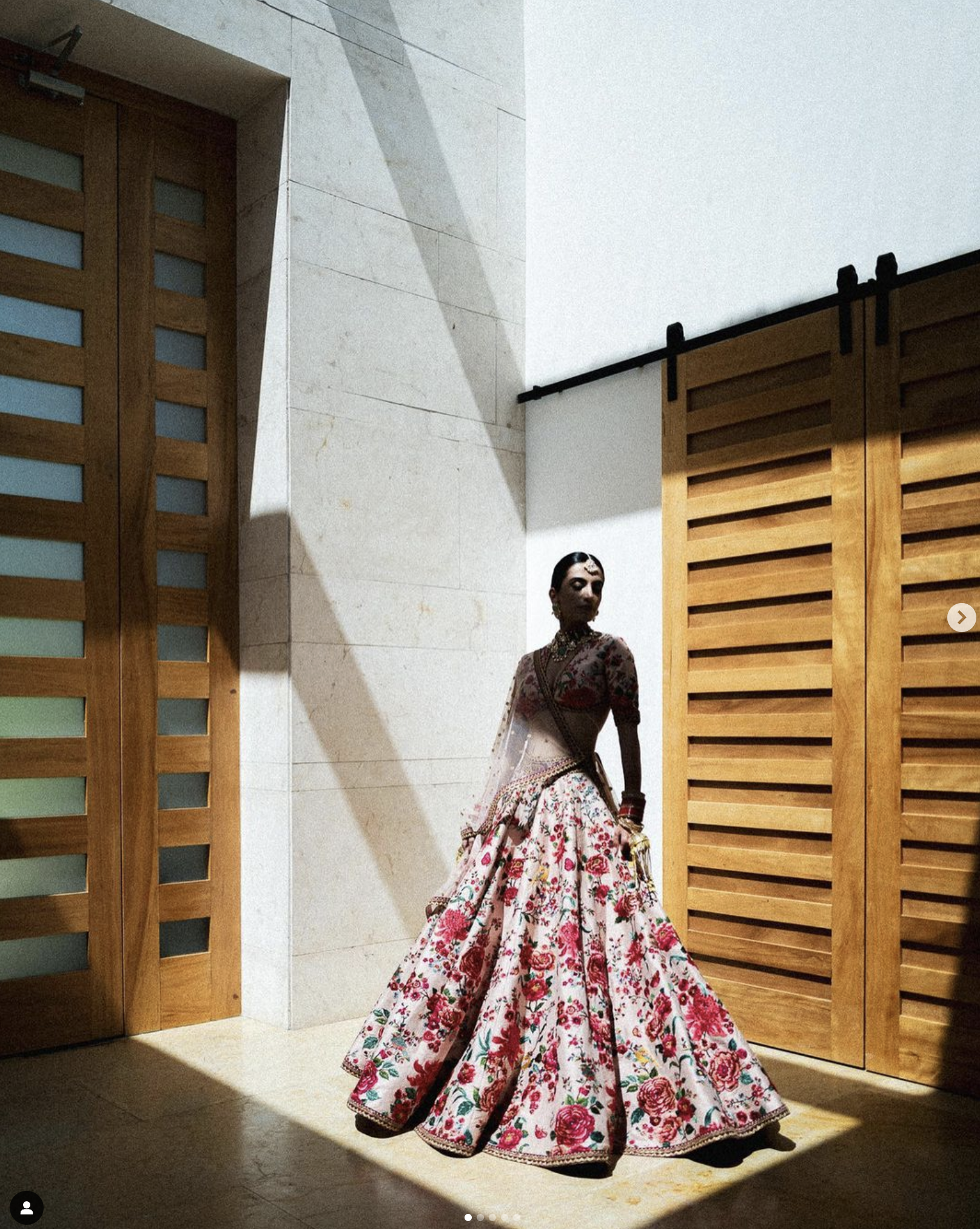


Timeless wedding photography is a phrase people use often, but I don't think it describes one particular aesthetic.
A photograph can be black and white or color, documentary or editorial, carefully composed or completely spontaneous. What matters to me is whether it remains honest to the people, the moment, and how it felt, without relying entirely on a trend to make it interesting.
Photography has always evolved, and it should. But the question I return to is simple: what will this photograph mean when nobody is thinking about today's trends anymore?
That question influences how I photograph a wedding, from the moments I choose to document to the decisions I make afterward.
Timeless Isn't a Style
No single formula creates timeless wedding photos.
Black and white isn't inherently more timeless than color. Film isn't automatically more enduring than digital photography. The same is true of candid versus editorial imagery, muted color palettes, grain, or minimal retouching.
These choices can define a photographer's aesthetic, but none guarantees that a photograph will continue to matter.
A documentary image of an unexpected interaction may endure because of what happened within the frame. A deliberately composed editorial portrait can last just as long because of its light, gesture, composition, and the people it represents.
Color can preserve a room's atmosphere, the character of the clothing, or the quality of light. Black and white may bring greater attention to an expression or the relationship between subjects. Neither approach is inherently superior.
For me, timelessness isn't about choosing one approach over another. It's about understanding what the photograph needs.
That allows me to move between observation and direction, spontaneous moments and carefully constructed portraits, without forcing an entire wedding into one visual formula.
Authenticity in a Changing Visual World
Social media allows visual trends to move quickly across fashion, weddings, and culture. AI and increasingly sophisticated editing tools have also expanded the ways photographs can be altered or reinterpreted.
I don't see these developments as something to resist. Photography has always responded to new ideas and technologies. But they make it important to consider what should remain true to the original experience.
When I photograph a wedding, I don't want the finished gallery to become an idealized version of a day that never existed.
People should still look like themselves. Skin should still look like skin. The environment should remain recognizable.
There is room for creative interpretation, but I want the photographs to retain a meaningful connection to the people and celebration they represent.
Trends may influence how an image looks today. They shouldn't be the only reason it remains interesting years later.
Timeless Photography Begins Before the Edit
Editing matters, but many of the qualities that give a photograph lasting value are established before it reaches the editing process.
Throughout a wedding, I decide where to stand, what to include, what to anticipate, and when to intervene. Some happen instinctively; others require more careful consideration.
Together, these decisions shape how people remember the celebration.
-
Some of the most meaningful photographs happen without direction.
During a ceremony, dinner, or conversation, I'm watching more than the person directly in front of me. Someone may reach for another person's hand, a parent may react from across the room, or a quiet interaction may develop at the edge of the frame.
Anticipation means recognizing those possibilities early enough to photograph them without interrupting them.
Not every moment needs to be made more beautiful or more perfect. Sometimes its value comes precisely from the fact that it happened on its own.
-
Other photographs benefit from intervention.
For a portrait, I may adjust the couple's position, work with the available light, simplify the background, or use architecture and landscape to strengthen the composition. Direction isn't about removing personality; it's about giving the image clarity.
I often think about the hero of the photograph.
It may be an expression, a gesture, the clothing, or the relationship between the couple and their surroundings. Once that becomes clear, composition is about deciding what deserves attention and what might distract from it.
A considered composition gives the viewer a way into the photograph, allowing its most important elements to speak without unnecessary competition.
-
The work continues after the wedding, but not with retouching first.
Selection is one of the most important parts of the process.
A technically successful photograph doesn't automatically belong in the final gallery. I consider what each image contributes: an emotion, an interaction, a transition, a detail, a sense of place, or a photograph strong enough to stand on its own.
Selection also creates rhythm. A quiet frame can become more powerful beside an energetic one, while a wider photograph can establish context before the gallery moves closer to the people within it.
The goal isn't to include every variation of a moment. It's to choose the photographs that tell it best.
-
Once I've selected the photographs, editing becomes a refining process.
Reframing can remove distractions or emphasize the subject. EI can adjust exposure, contrast, and color to bring clarity and balance to the image.
I want skin tones to remain natural and color to feel considered. Retouching should be intentional rather than automatic, and black and white should be used when it strengthens a particular photograph.
The final edit should support the decisions made when the photograph was taken, not compensate for the absence of a meaningful moment or a considered composition.
Fashion Photography and the Origins of My Approach
My interest in photographs began long before I started photographing weddings.
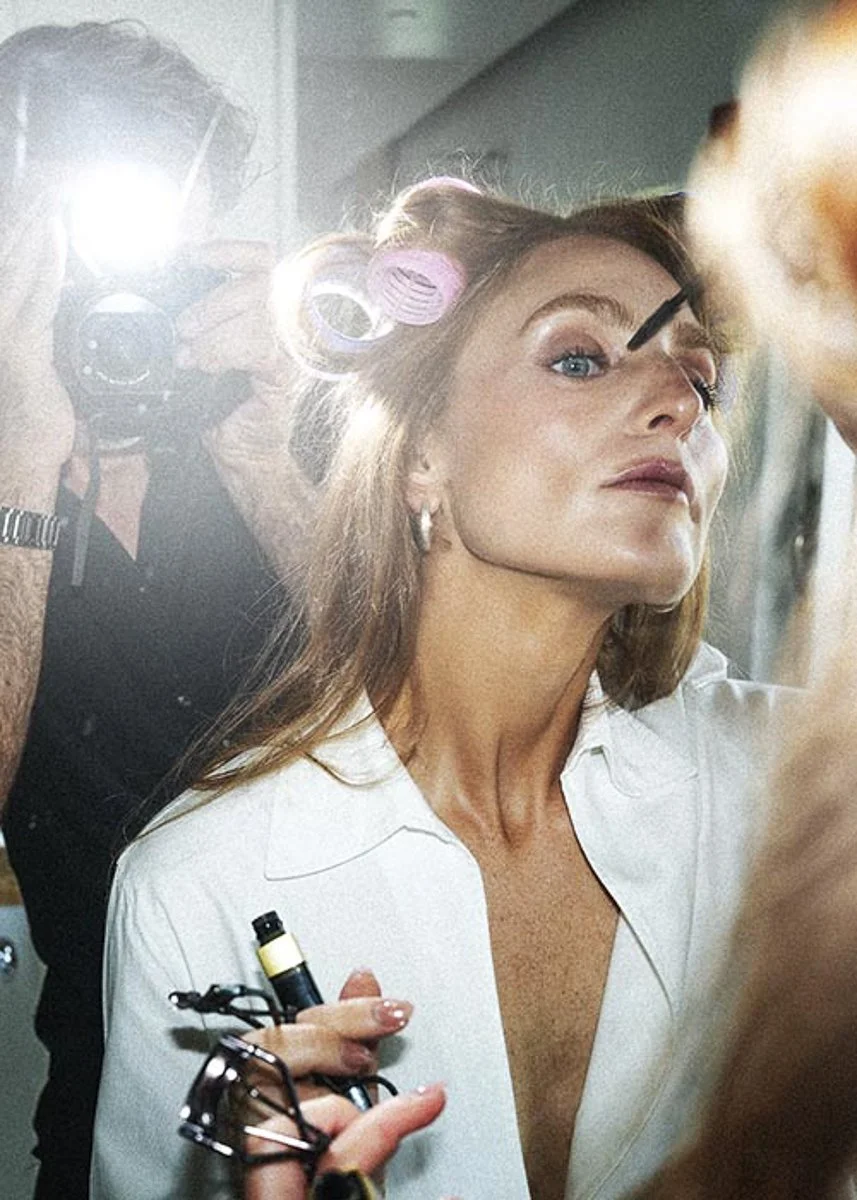
I began studying photography at 16, spending time examining how images, especially fashion imagery, changed across generations. I was interested not only in contemporary work, but in understanding why certain photographs made decades earlier could still command attention.
Fashion photography became especially important to the way I learned to look.
I studied how photographers used composition, light, gesture, clothing, and environment to create images with a distinct visual presence. What interested me wasn't recreating a particular decade or borrowing someone else's style, but understanding the decisions that made an image compelling.
That way of looking still influences my wedding photography.
Fashion taught me to pay attention to how clothing moves, how a person occupies a frame, and how a setting can contribute to a portrait. It also encouraged me to recognize when an image becomes stronger by leaving something out.
Weddings introduced another dimension: unpredictability.
Unlike a planned fashion photograph, many wedding moments cannot be repeated. Expressions disappear, people move, light changes, and meaningful interactions happen without waiting for the photographer.
The visual discipline I found in fashion photography, combined with the unpredictability of real celebrations, became central to how I approach my work.
A Photograph Should Be Able to Stand on Its Own
A wedding gallery tells a larger story, but I believe an individual photograph should also have something to say on its own.
That doesn't mean every image needs to be dramatic. Some are quiet, others carefully constructed, and some exist because I recognized an expression or interaction at exactly the right time.
What connects them is intention. Each photograph should contribute something worth remembering.
Years from now, the couple may not remember which photographic style was popular when they married. But they may recognize a parent's expression, the way they looked at one another, what they wore, or a detail that has become more meaningful with time.
That's ultimately what timeless wedding photography means to me: creating photographs that remain connected to the people, relationships, and celebration I was trusted to document, long after the visual trends surrounding them have changed.
Further Inspiration
WEDDING PORTFOLIO
See how this approach takes shape across weddings photographed in New York and destinations around the world.
VIEW PORTFOLIODestination Wedding Locations
Discover venue insights, planning resources, and photography inspired by each location.
VIEW DESTINATIONSABOUT ANDREAS
Discover the experience, influences, and perspective behind more than two decades of photography.
ABOUT ANDREASFROM THE JOURNAL
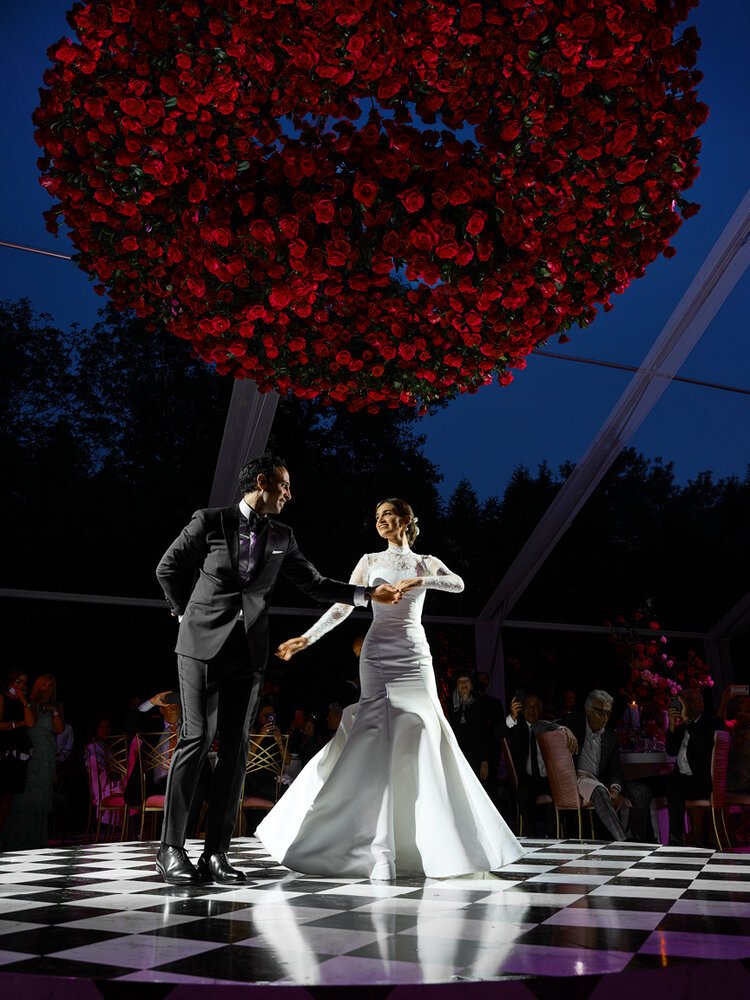

Destination Wedding Ideas