Planning a Guggenheim Museum Wedding: Expert Tips
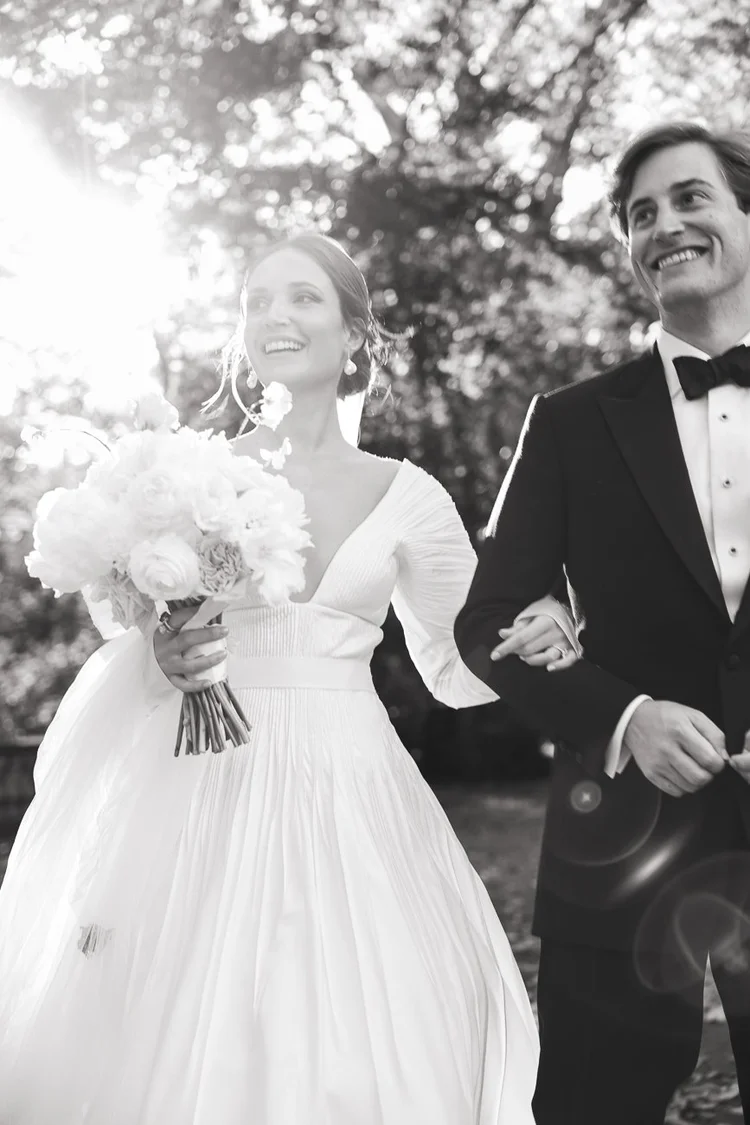
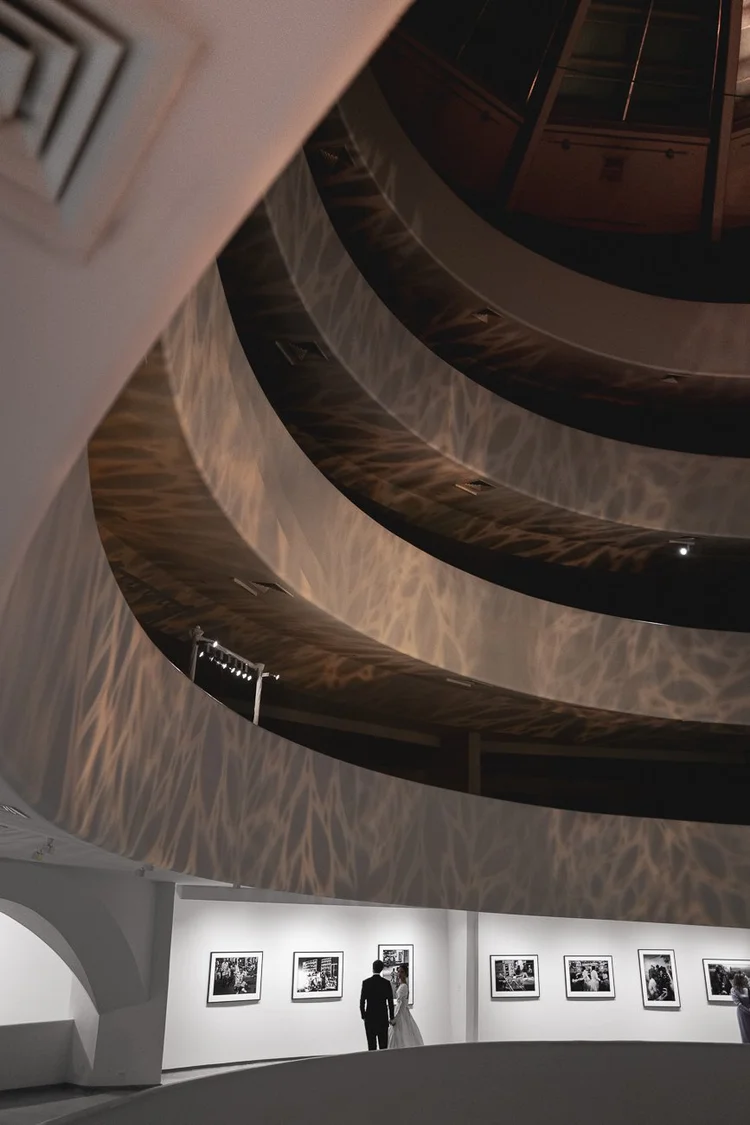
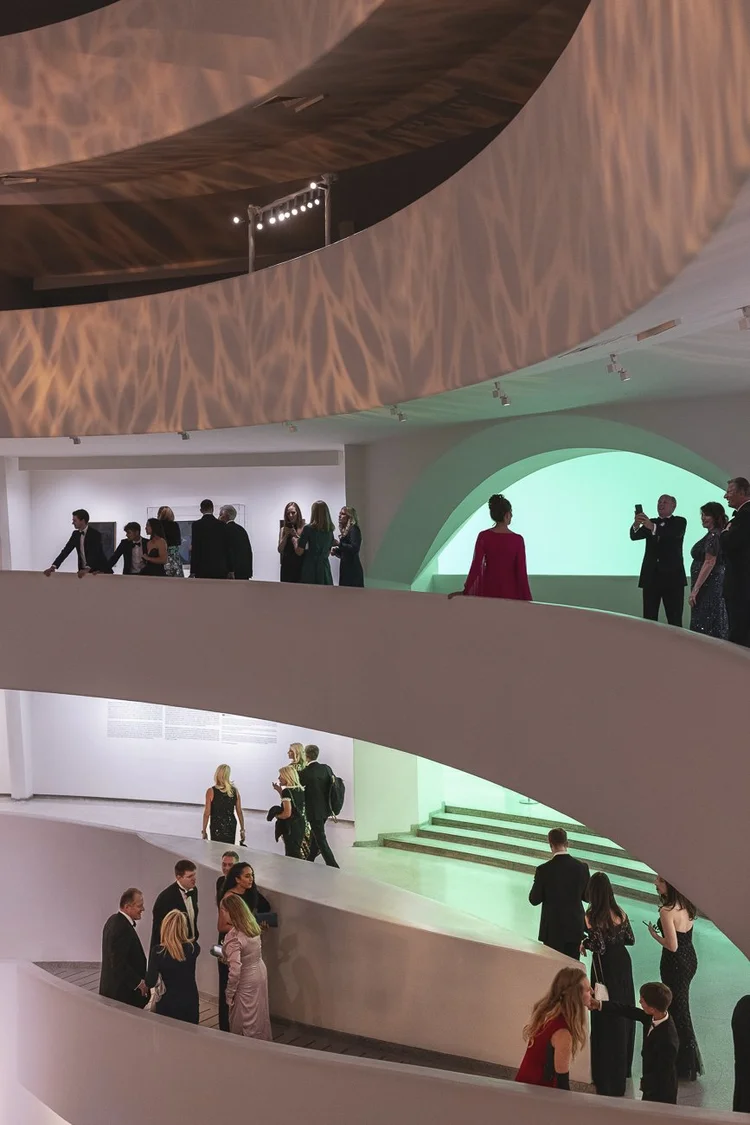
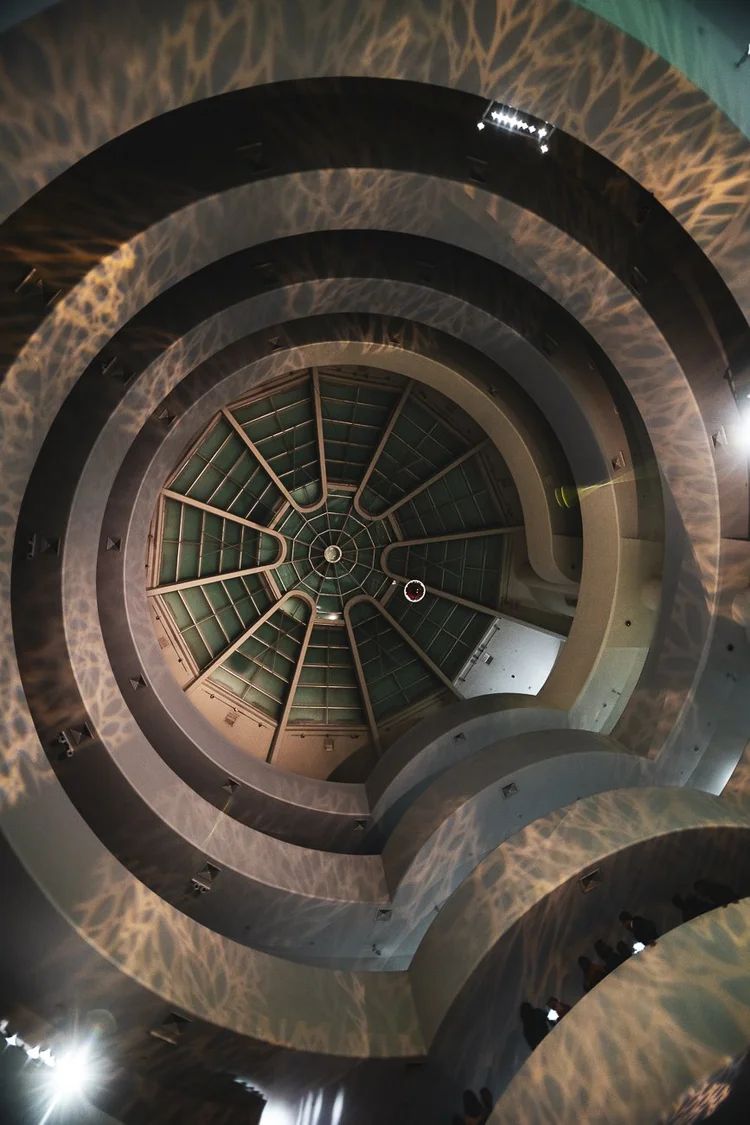
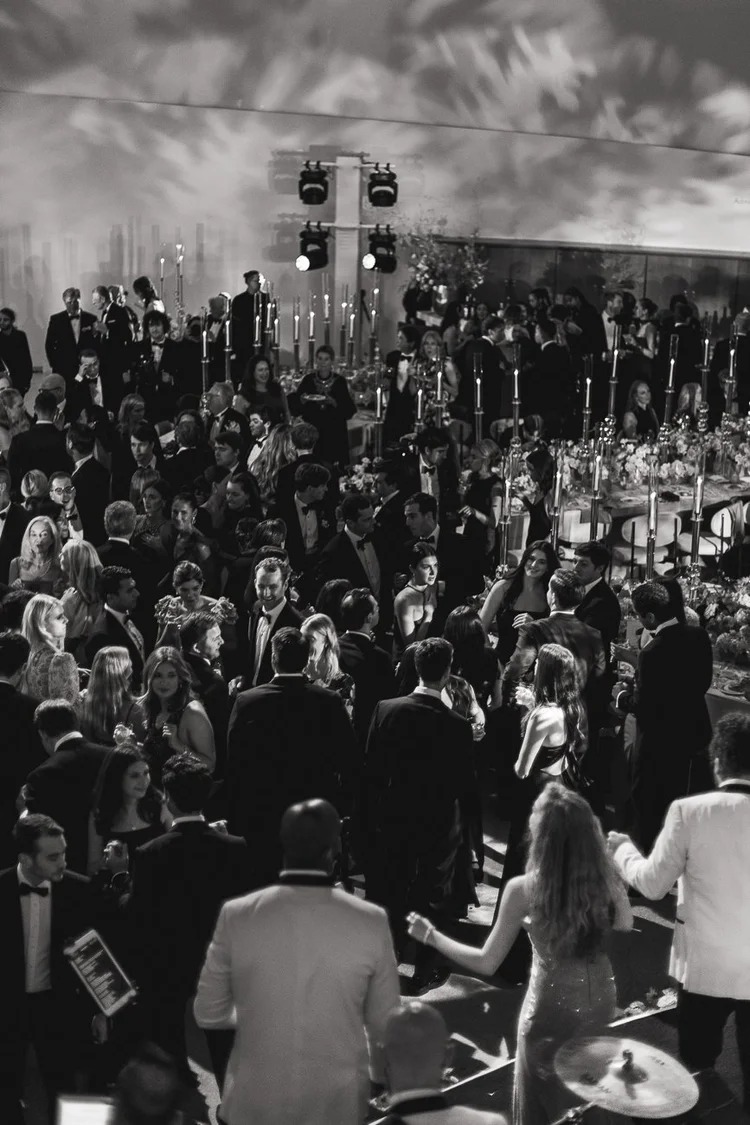
A Guggenheim Museum wedding offers a setting unlike any other in New York City, where Frank Lloyd Wright’s architecture, sculptural curves, and dramatic interior perspectives become part of the celebration. After photographing a wedding within this iconic space, I learned that the strongest results come from thoughtful coordination between the couple, planner, venue team, and photographer.
This guide offers practical considerations for planning the experience, from portrait timing and architectural composition to décor, guest flow, and photography permissions, while keeping the museum's character at the center of the visual story.
What Makes a Guggenheim Museum Wedding Unique?
Unlike a traditional ballroom, the Guggenheim encourages guests to experience the space from multiple perspectives. A ceremony viewed from above, a first dance framed by the museum's circular forms, or guests gathering along the spiral ramp create visual moments unique to this remarkable building.
One of the aspects I appreciate most is how the architecture encourages a different way of seeing. Every level reveals a new perspective, and the relationship between people and the space is constantly changing. Rather than treating the museum as a backdrop, I believe the most compelling photographs make its design an active part of the story.
Understanding the Guggenheim as an architectural venue showcases why architecture deserves as much attention as photography. When a venue has such a unique identity, the goal should not be to overshadow it with excessive styling or constant direction. Instead, every creative choice should respond to the building, allowing its character to enhance the overall celebration.
Confirm Access, Photography Restrictions, and Guest Flow Early
One of the most important planning steps is confirming photography permissions and event logistics with the museum well before the wedding day.
Policies, approved event spaces, and photography guidelines may vary depending on the exhibition schedule, the areas included in the event agreement, and the specific requirements of each celebration. For that reason, couples should always confirm current details directly with the Guggenheim and their planner rather than relying on previous experiences or online information.
Topics worth discussing during the planning process include:
Approved portrait locations throughout the museum
Areas that may be restricted because of exhibitions or installations
Photography guidelines around artwork and gallery spaces
Use of supplemental lighting, if needed
Vendor access and load-in schedules
Private event timing and guest access
Any production or equipment limitations that could influence photography
Also, early conversations with your planner and venue team should include arrival logistics, transportation, accessibility, and how guests will move comfortably between each part of the event.
Consider planning for:
Arrival and guest check-in
Coat check and welcome experience
Elevator access and accessible routes
Clear transitions between cocktails, dinner, and dancing
Vendor movement and production timing
Signage to help guide guests through the museum
Transportation and drop-off planning before and after the celebration
In my experience, when your planner, photographer, and production team align on logistics early, it creates a seamless timeline that protects your day from unexpected interruptions and lets everyone enjoy the moment.
Build the Timeline Around the Architecture and Light
A thoughtful timeline is one of the greatest advantages couples can give themselves when planning a Guggenheim Museum Wedding.
Coordinate Portrait Access: Coordinate with your planner and venue team ahead of time to map out exclusive access to the rotunda and spiral ramp; planning these portrait sessions around the event schedule ensures your photos feel relaxed, intimate, and never rushed.
Allow Time for Architectural Portraits: Architectural portraits thrive when you slow down; by finding natural pauses throughout the day rather than halting the celebration, we can thoughtfully capture those wide, layered compositions where you and the building exist beautifully in the same frame.
Prepare for Evening Conditions: As daylight fades into reception lighting, the museum's atmosphere completely transforms; choosing a photographer whose full galleries showcase mastery over both golden hour portraits and low-light celebrations ensures your images stay stunningly consistent from the first look to the last dance.
Let the Guggenheim's Architecture Lead the Design
One of the greatest strengths of a Guggenheim Museum wedding is that the building already provides an extraordinary visual identity. The museum's flowing curves, generous negative space, and restrained palette naturally lend themselves to thoughtful, contemporary design. Whether your vision is understated or more expressive, keeping the architecture visible creates a sense of harmony that is difficult to replicate elsewhere.
Design elements that work particularly well include:
Sculptural floral arrangements that complement the building's curves
Clean stationery inspired by circular forms and modern typography
Refined color palettes that allow the architecture to remain the focal point
Lighting that enhances the museum's natural geometry rather than overwhelming it
Elegant furniture and décor scaled to the proportions of the rotunda
When every creative decision responds to the building, the celebration feels cohesive, timeless, and unmistakably connected to its surroundings.
Questions for Your Photographer
A venue like the Guggenheim benefits from a photographer who understands both architecture and storytelling.
Consider asking:
Have you photographed a museum or architecturally significant venues before?
Can we see complete wedding galleries, including evening receptions?
How do you approach portraits within a space like the Guggenheim?
How much time do you recommend for portraits?
How do you balance editorial portraits with candid moments throughout the day?
The answers should give you confidence not only in their technical ability, but also in how they approach the experience as a whole.
Common Mistakes to Avoid
Planning a museum wedding is different from planning a celebration in a traditional ballroom or hotel. Avoiding a few common mistakes can make a significant difference to both the guest experience and the final photographs.
Some of the most common include:
Assuming every museum space will automatically be available for portraits.
Leaving too little time for architectural portraits.
Choosing décor that competes with the building instead of complementing it.
Hiring a photographer without reviewing complete low-light galleries.
Treating the museum as a backdrop instead of letting its architecture become part of the story.
Waiting too long to coordinate the timeline between the venue, planner, production team, and photographer.
Final Thoughts
A Guggenheim Museum wedding is about much more than celebrating in an iconic building. It's about creating an experience in which architecture, design, fashion, and human connection coexist in harmony.
As a photographer, I've learned that the most memorable images rarely come from placing a couple in front of a remarkable building. They come from understanding the character of the space, letting light and architecture guide the composition, and giving genuine moments room to unfold naturally.
Years of studying photography alongside art, fashion, and architecture shaped that philosophy. Those disciplines continue to influence the way I observe a wedding, helping me create photographs that are thoughtful, timeless, and deeply connected to the people, the place, and the experience itself.
With careful preparation, thoughtful collaboration, and a shared appreciation for the museum's extraordinary design, a Guggenheim wedding becomes more than a celebration. It becomes a visual story that feels as enduring as the architecture surrounding it.
Further Inspiration
GUGGENHEIM WEDDING STORY
Experience how this iconic venue comes to life through a real wedding.
VIEW STORYFeatured in The Lane
Explore the editorial feature showcasing this celebration and discover more of Andreas Sellinidis' published work.
VIEW PRESSEXPLORE MORE MUSEUM VENUES